
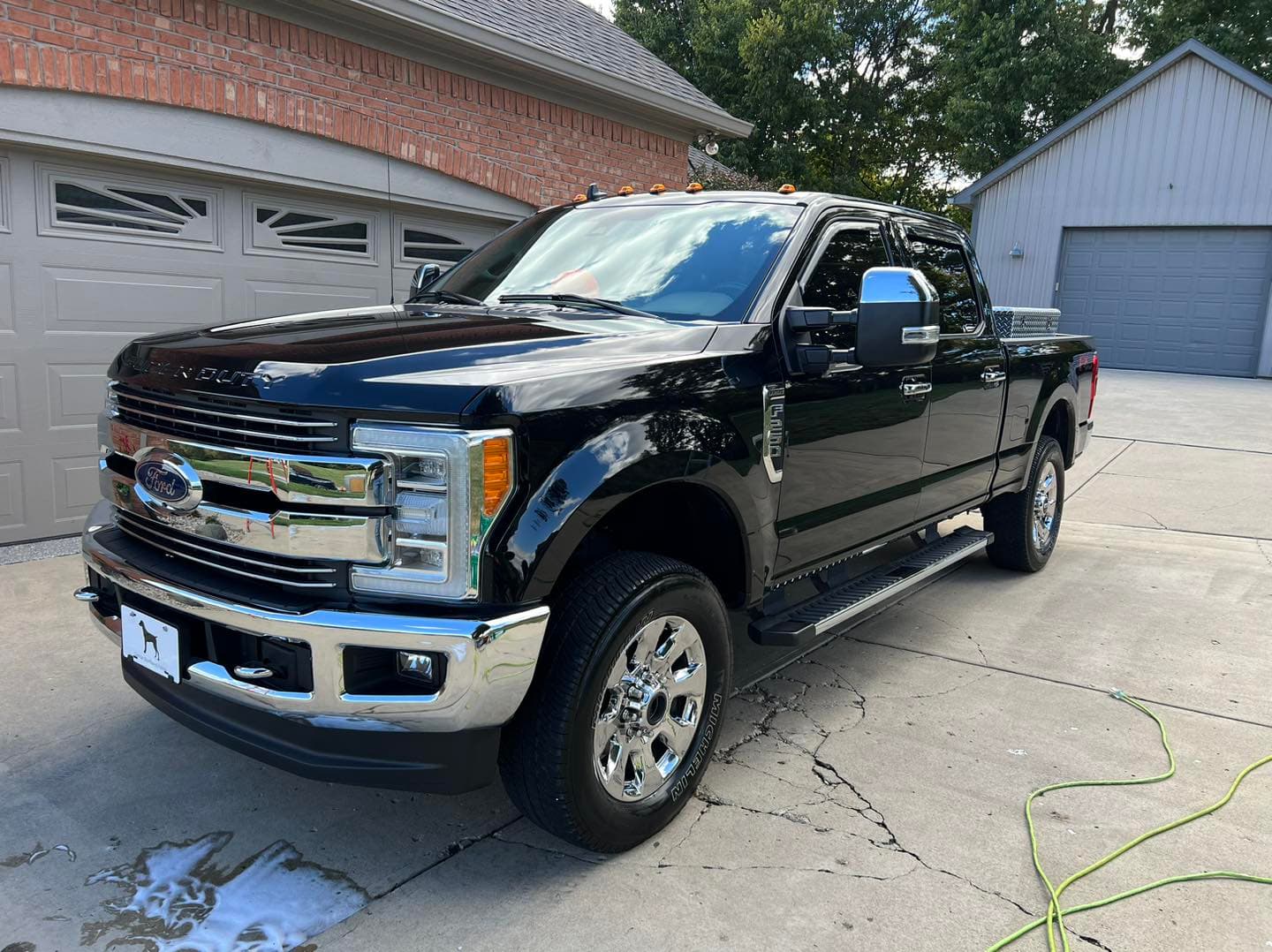
A cut and buff costs $150 to $500 for most cars, based on vehicle size and how much correction the paint needs. Small sedans land at the low end. Full-size SUVs and trucks with heavy swirl marks land at the high end. Below, we break down the real numbers by vehicle size, what changes the price, and how a cut and buff compares to wet sanding, waxing, and full paint correction.
What a Cut and Buff Costs by Vehicle Size
- Compact car or sedan: $150 to $300
- Coupe or small SUV: $200 to $375
- Full-size SUV or truck: $300 to $500
- Single panel or spot buff: $75 to $150
These ranges assume moderate swirl marks and light scratches. Heavy oxidation or deep defects push the job past $600, since the technician has to run more passes per panel to level the clear coat evenly.
What Actually Drives the Price
Four things decide where your job lands in that range.
Vehicle size. More panels means more time on the buffer. A truck bed and cab add real surface area a sedan doesn't have.
Paint condition. Light swirls level out fast. Deep scratches and oxidation take more passes, more compound, and more time per panel.
Number of stages. A single-stage buff costs less than a two-stage cut and polish, since the second stage adds a full refinement pass after the initial cut.
Paint type. Harder clear coats resist cutting compound and take longer to correct. Matte and wrapped surfaces need different pads and techniques entirely, since standard cutting compound will damage them.
Time on the buffer is the real cost driver behind all four. Worse paint condition means more time, and more time means a higher price.
Wet Sanding and Cut and Buff
Wet sanding comes up alongside cut and buff a lot, and it's worth separating the two clearly.
A cut and buff levels the clear coat with a machine polisher and cutting compound. It's the right call for swirl marks, light scratches, and general dullness. Wet sanding is a step below that: it uses fine-grit sandpaper and water to level deeper, more stubborn defects like heavy orange peel or scratches that a standard buff can't fully remove on its own.
Most cars don't need wet sanding. When a panel does, we typically add it as a prep step before the buff, and it runs $50 to $150 on top of the base cut and buff price depending on how many panels need it. Wet sanding without a following buff and polish stage will leave the surface hazy, so the two are almost always done together. See wet sanding vs cut and buff for a deeper comparison.
Buff and Wax vs. Buff Alone
A cut and buff restores gloss by removing defects from the clear coat. It doesn't add lasting protection on its own. That's where wax or a sealant comes in.
If you want the finish protected after correction, not just restored, pair the buff with a wax or sealant application. Doing both in the same visit is more efficient than booking them separately, since the paint is already clean and defect-free when the protective layer goes on. Check packages for current combined pricing, since the add-on cost depends on which wax or sealant tier you choose.
Whole Car vs. Spot Repair
You don't always need to buff the entire vehicle.
- Whole car cut and buff: worth it when swirls and oxidation show up across most panels. $150 to $500 depending on size.
- Spot buff: worth it for one or two damaged panels. $75 to $150.
A spot buff saves money when the damage is isolated to a door or fender. The tradeoff is a visible gloss difference between the corrected panel and the rest of the car, since machine-buffed paint reflects light slightly differently than untouched paint next to it. A whole-car buff avoids that mismatch.
Will Buffing Actually Remove Your Scratch?
Run your fingernail across the scratch. If your nail doesn't catch, a cut and buff can likely remove it. If it catches, the scratch has gone through the clear coat into the base coat or primer, and buffing alone won't fix it.
- Light surface scratches and swirls: removable with a standard buff, included in the base price.
- Medium scratches that sit in the clear coat: may need wet sanding first. Add $50 to $150.
- Deep scratches through the paint: need touch-up paint or a repaint. No amount of buffing fixes a scratch that's already through the clear coat.
Skipping this check before booking is the most common reason people end up disappointed with a buff. Be honest about depth first.
Cut and Buff vs. Paint Correction
These get used interchangeably, but they're different services at different price points.
Cut and buff: a single-stage process that removes light to moderate defects and restores most of the gloss. $150 to $500.
Paint correction: a multi-stage process that removes 85 to 95 percent of defects for a near-flawless finish. $500 to $1,500 or more, since it involves multiple compound and polish passes per panel.
A cut and buff is the right call for a daily driver that just needs the swirls gone. Paint correction makes more sense for show cars or paint with heavy, longstanding damage. See the cut and buff cost guide for the full comparison.
Is a Cut and Buff Worth It?
Yes, when the defects are surface level. A cut and buff removes swirls and light scratches and restores depth to the paint for a few hundred dollars, which is a fraction of what a repaint costs. It also helps at resale, since swirl-free paint reads as well-maintained to a buyer even if they can't articulate why.
It's not worth it if the clear coat is already failing or peeling. At that point the paint needs repair, not polish, and buffing failing clear coat can make the problem worse by removing what little protective layer is left.
Buffing Services Near You
AtlantaBaltimoreBirminghamColumbusDallasDenverHuntsvilleIndianapolisJacksonvilleLos AngelesMemphisMinneapolisNew YorkNorfolkOrlandoSan AntonioSan JoseSavannahSeattleTampaTulsaWilmington
Frequently Asked Questions
How much does a cut and buff cost for a whole car?
A whole-car cut and buff runs $150 to $500 for most vehicles, with sedans at the low end and large SUVs or trucks at the high end. Heavy oxidation or deep defects can push the price past $600.
What's the difference between a cut and buff and wet sanding?
A cut and buff uses a machine polisher and compound to level light to moderate defects. Wet sanding uses fine-grit sandpaper and water for deeper defects a standard buff can't fully remove, and it's almost always followed by a buff and polish stage to restore gloss. Wet sanding adds $50 to $150 to the base cost.
Does a cut and buff include wax or protection?
No. A cut and buff restores the paint's surface but doesn't add lasting protection on its own. Pairing it with a wax or sealant application protects the corrected finish. Check packages for current pricing on combined services.
How long does a cut and buff take?
A single-stage cut and buff on a sedan takes about 2 to 4 hours. Larger vehicles or two-stage correction can run 5 to 8 hours, since heavier damage needs more passes per panel.
Does a cut and buff damage the paint?
Not when it's done correctly. A buff removes a thin layer of clear coat to level defects, and a trained technician tracks paint thickness throughout the job. Aggressive buffing without that care can burn through the clear coat, which is why technique and experience matter more than the equipment.
Ready for a Buff That Brings Back the Gloss?
A cut and buff is the fast, affordable way to erase swirls and restore depth to dull paint. Our mobile team brings the pads, compounds, and experience to do it right at your location, backed by a 4.9-star rating and full insurance on every job.