
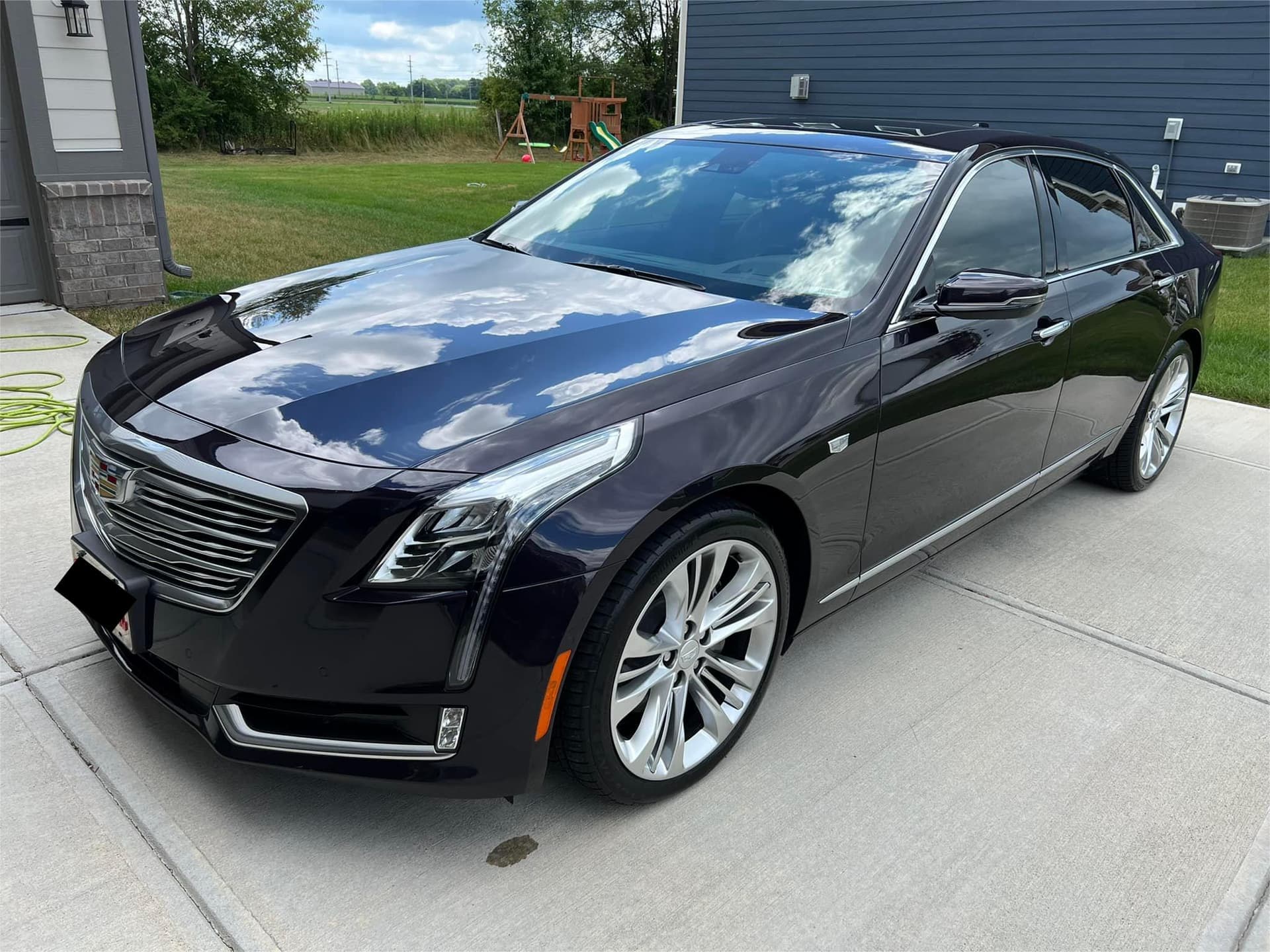
The difference between wet sanding vs cut and buff comes down to depth. A cut and buff uses a polisher and compound to remove light swirls and shallow scratches. Wet sanding uses fine sandpaper and water to level deeper defects the buffer cannot reach. You wet sand first, then cut and buff to restore the shine.
Most cars never need wet sanding. A cut and buff handles everyday swirls and oxidation. Wet sanding is for deep scratches, heavy orange peel, and stubborn defects. This guide shows you when each method fits and whether wet sanding clear coat is safe.
Wet Sanding vs Cut and Buff: The Core Difference
Both methods remove clear coat to level defects, but they work at different depths. That is the key distinction.
Cut and buff uses a machine polisher with a cutting compound. It removes a tiny layer of clear coat to erase light scratches and swirls. It is the gentler option.
Wet sanding uses ultra-fine sandpaper soaked in soapy water. It removes more material to flatten deep scratches, orange peel, and runs. It is more aggressive and higher risk.
Think of it as a ladder. You start with the least aggressive step that works. Cut and buff first. Wet sand only when buffing alone cannot remove the defect.
When Do You Need to Wet Sand a Car?
You wet sand a car only when defects are too deep for a buffer. These cases call for it.
- Deep scratches that did not respond to compounding
- Heavy orange peel in the factory or repainted finish
- Paint runs or sags from a respray
- Severe oxidation that compounding cannot fully clear
- Overspray or hard contaminants bonded to the surface
If a cut and buff already fixed the problem, you do not need to wet sand. Wet sanding is a targeted fix, not a routine step. Always try the gentler method first. See detailing packages for pricing and options.
What Is Wet Sanding a Car?
Wet sanding is a leveling process that uses fine abrasives and water. Here is how the steps flow.
- Wash and dry the panel completely.
- Soak the sandpaper in soapy water. Grits run from 1,500 to 3,000.
- Sand lightly in even strokes, keeping the surface wet at all times.
- Wipe and inspect often to check progress and avoid going too far.
- Cut and buff the sanded area to remove the haze and bring back gloss.
The water acts as a lubricant. It carries away grit and prevents deep scratching. Wet sanding always ends with a buff, since sanding leaves a dull, hazy finish on its own.
Can Wet Sanding Remove Deep Scratches?
Wet sanding can remove deep scratches, but only if they stay inside the clear coat. Depth is everything.
The test: If the scratch catches your fingernail, it may be too deep. If you see a different color in the groove, the defect reached the base coat or primer.
- Deep clear-coat scratches: Wet sanding can level these, then a buff restores the shine.
- Scratches into the base coat: Wet sanding cannot fix these. They need touch-up paint or a respray.
- Scratches to bare metal: These need full paint repair, not sanding.
Wet sanding only reshapes the clear coat. Once color or primer shows, no amount of sanding brings it back.
Is Wet Sanding Safe for Clear Coat?
Wet sanding is safe for clear coat only with the right skill and tools. The margin for error is small.
Most clear coats are just 1.5 to 2.0 mils thick, about the thickness of a sheet of paper. Wet sanding removes part of that layer. Take off too much and the clear fails early.
Safe practice includes:
- Using a paint thickness gauge before and during the job
- Starting with the finest grit that will work
- Keeping the surface flooded with water
- Checking progress constantly
This is why wet sanding is best left to pros. A mistake can burn through the clear and force a repaint. Our techs measure paint depth before they ever touch sandpaper.
Mobile Wet Sanding: How the Service Works
Mobile wet sanding brings correction to your driveway. The process mirrors shop work with portable gear.
Our team arrives with water, power, lighting, and a paint thickness gauge. We inspect the paint, measure clear-coat depth, and decide whether wet sanding is even needed. Many jobs only require a cut and buff.
- We isolate the affected panels first.
- We wet sand only where the defect demands it.
- We follow with a multi-stage cut and buff to restore gloss.
You skip the trip to a body shop. You also avoid paying to sand panels that a simple buff could fix.
Learn more at Mobile Detailing Expert.
Related Resources
Frequently Asked Questions
What is the difference between wet sanding vs cutting and buffing?
Cutting and buffing uses a machine polisher and compound to remove light swirls and shallow scratches. Wet sanding uses fine wet sandpaper to level deeper defects like orange peel and deep scratches. Wet sanding is more aggressive and always finishes with a cut and buff to restore the gloss it removes.
When do you need to wet sand a car?
You need to wet sand only when defects are too deep for a buffer. This includes deep clear-coat scratches, heavy orange peel, paint runs from a respray, and severe oxidation. If a cut and buff already removes the problem, wet sanding is unnecessary. Always try the gentler method first.
Can wet sanding remove deep scratches?
Wet sanding can remove deep scratches only if they stay within the clear coat. If the scratch catches your fingernail or shows a different color, it has reached the base coat and needs paint repair. Wet sanding reshapes clear coat, but it cannot restore color or primer that is already gone.
Is wet sanding safe for clear coat?
It is safe with proper skill and tools. Clear coats are only about 1.5 to 2.0 mils thick, so removing too much causes early failure. Safe wet sanding uses a paint thickness gauge, the finest effective grit, and constant water. Because the margin is small, it is best left to trained pros.
Do I always cut and buff after wet sanding?
Yes. Wet sanding leaves a dull, hazy finish because it flattens the surface with abrasives. A cut and buff afterward removes that haze and restores deep gloss. Sanding without buffing leaves the paint looking foggy, so the two steps go together every time.
Not Sure Which Your Paint Needs?
You do not have to guess between wet sanding and a cut and buff. Our mobile techs measure your clear coat and recommend the least aggressive fix that works. We come to you with everything needed for both. Explore our cut and buffing service or get a free quote to start.
Cut & Buffing Near You
AtlantaBaltimoreBirminghamColumbusDallasDenverHuntsvilleIndianapolisJacksonvilleLos AngelesMemphisMinneapolisNew YorkNorfolkOrlandoSan AntonioSan JoseSavannahSeattleTampaTulsaWilmington