
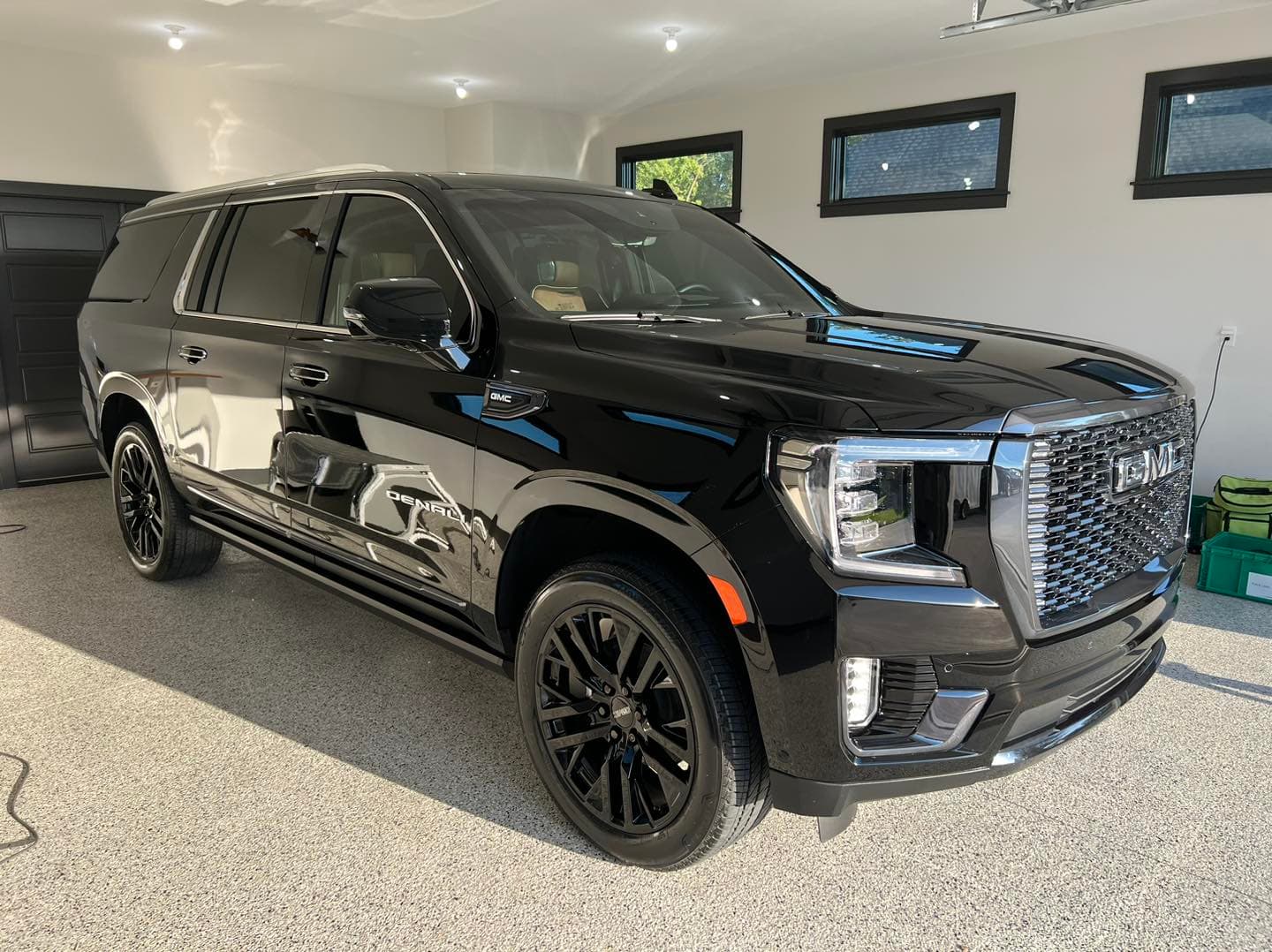
Removing oxidation from an RV means cutting through the chalky, faded layer with machine compounding, then polishing the surface back to gloss. This is the same cut-and-buff process used on cars, scaled to a much larger surface. This guide covers what cut and buff can and can't restore, the gelcoat-versus-painted distinction that changes the approach, and what to expect from the process.
What Causes RV Oxidation
Oxidation is UV damage. Sun exposure breaks down the outer layer of gelcoat or paint over time, leaving a chalky, faded finish that leaves residue on your hand if you wipe it. RVs are especially prone to this since they often sit outdoors between trips, getting more cumulative sun exposure than a daily-driven car.
What Cut and Buff Can Restore
Cut and buff uses a cutting compound and a machine polisher to remove the oxidized layer and expose fresh material underneath.
- Light to moderate chalking: restores well, often back to near-original gloss.
- Faded color: cutting through oxidation typically brings the true color back, since chalking is what makes paint or gelcoat look dull and washed-out.
- Moderate swirls and light scratches: removed in the same process, since the compounding step levels the surface.
What It Can't Restore
Be realistic about the limits before starting.
- Heavy, longstanding oxidation that's eaten deep into the gelcoat may only partially restore, and could need multiple correction passes or, in severe cases, gelcoat restoration beyond what buffing alone achieves.
- Cracked or crazed gelcoat is a structural issue, not a surface one. Buffing won't fix cracks.
- Deep scratches through the clear coat or gelcoat need repair, not polishing.
We inspect first and give an honest assessment of how much will restore before starting, since heavy oxidation sometimes needs to be seen in person to know for sure.
Gelcoat vs. Painted RV Surfaces
Most fiberglass RVs have a gelcoat finish, a pigmented resin molded into the fiberglass itself, not a paint layer on top of it. Gelcoat oxidizes similarly to car paint but responds differently to compounds. Painted surfaces, more common on aluminum-sided rigs, correct more like standard automotive paint. Knowing which one your RV has affects compound choice and technique, using the wrong approach risks uneven results or removing more material than necessary.
What to Expect From the Process
RV oxidation removal is a multi-day job on anything beyond a small camper, given the surface area involved.
- Wash and decontaminate the full exterior.
- Assess oxidation severity panel by panel.
- Cut with a compounding pad to remove the oxidized layer.
- Polish to refine the finish and bring back gloss.
- Protect the corrected surface with wax, sealant, or ceramic coating, since bare corrected gelcoat oxidizes again without protection.
Skipping the protection step after correction means the oxidation you just removed starts building back up immediately.
Frequently Asked Questions
Can all RV oxidation be buffed out, or is some damage permanent?
Light to moderate chalking restores well. Heavy, longstanding oxidation may only partially restore and can need multiple passes. Cracked or crazed gelcoat is a structural issue buffing can't fix. An in-person inspection is the only reliable way to know which category your RV falls into.
What's the difference between correcting gelcoat oxidation and painted RV oxidation?
Gelcoat is molded into the fiberglass itself and responds differently to cutting compounds than a painted surface does. Using painted-surface technique on gelcoat, or vice versa, risks uneven correction or removing more material than the job needs.
Does cut and buff fix oxidation permanently, or does it come back?
Correction removes existing oxidation, but bare gelcoat or paint left unprotected afterward will oxidize again from continued UV exposure. Applying wax, sealant, or ceramic coating after correction is what actually slows oxidation from returning.
How long does RV oxidation removal take?
It depends on rig size and oxidation severity, but expect a multi-day process for anything beyond a small camper, given the surface area a full-size RV presents compared to a car.
Will buffing remove scratches along with the oxidation?
Moderate swirls and light scratches typically come out in the same compounding and polishing process, since it's the same surface-leveling mechanism either way. Deeper scratches through the gelcoat or clear coat need repair, not polishing.
Ready to Bring Back the Shine?
Our mobile team removes oxidation and restores gloss right where your RV is parked, then protects the finish so it lasts.
RV Detailing Services Near You
AtlantaBaltimoreBirminghamColumbusDallasDenverHuntsvilleIndianapolisJacksonvilleLos AngelesMemphisMinneapolisNew YorkNorfolkOrlandoSan AntonioSan JoseSavannahSeattleTampaTulsaWilmington