
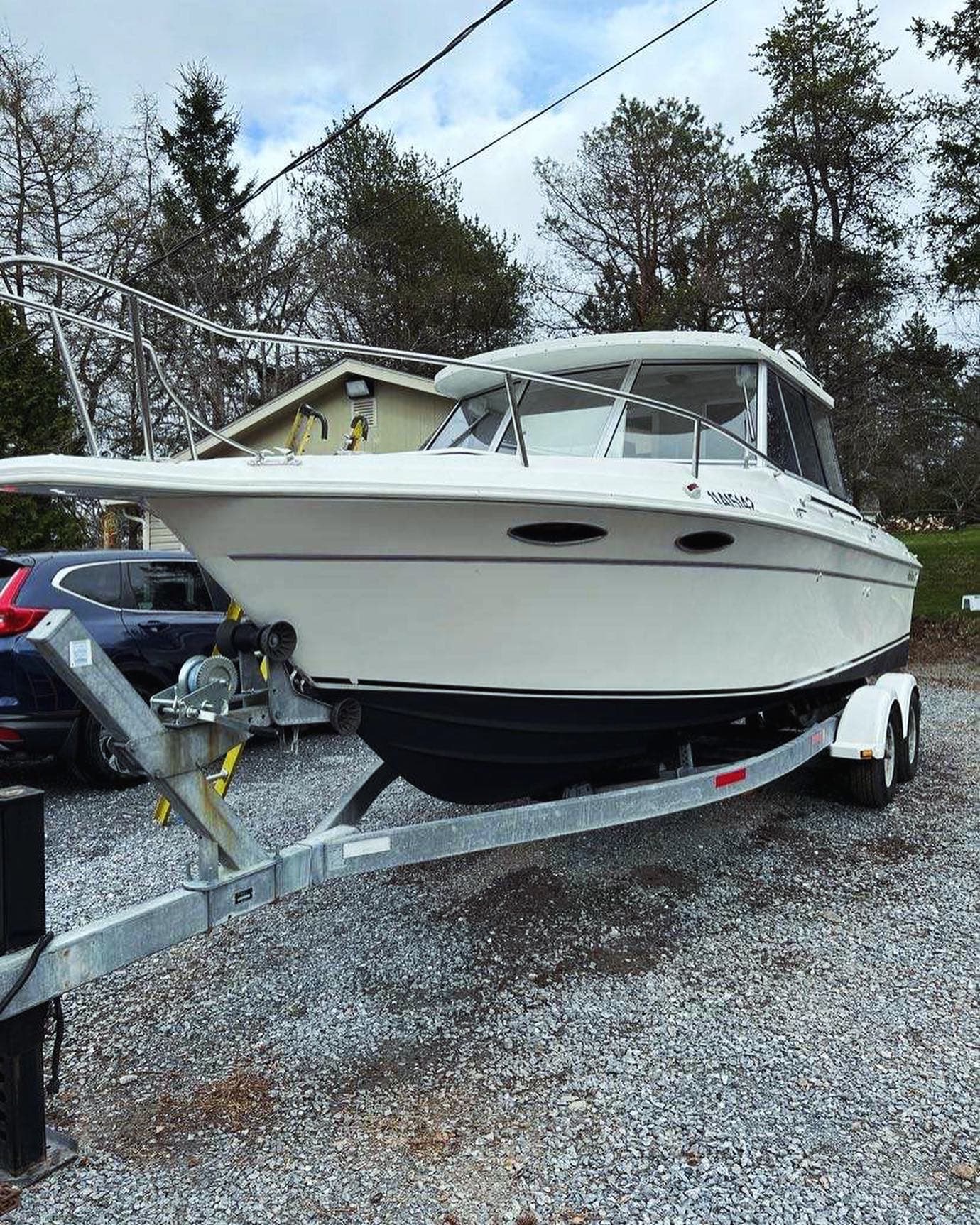
Boat interior detailing cleaning keeps your marine vinyl seats soft, white, and mildew-free. The job has three parts: clean the surface, kill any mildew in the seams, then condition the vinyl to block UV and mold. Use a marine vinyl cleaner and a soft brush, not harsh bleach that dries and cracks the vinyl. This guide shows how to clean boat seats, remove mildew, brighten white vinyl, and stop mold from coming back. Done right, your seats stay comfortable and look new for years.
Why Marine Vinyl Gets Dirty and Moldy
Marine vinyl faces a brutal mix of sun, moisture, and trapped heat. That combination is what breeds mildew and breaks down the surface. Understanding it helps you clean smarter.
- Trapped moisture: Water pools in seams and under cushions, feeding mold.
- Heat: Closed boats turn into ovens, accelerating mildew growth.
- Sunscreen and body oils: These soak into vinyl and leave stains.
- UV damage: Sun dries and cracks unprotected vinyl over time.
Mildew lives in the seams, not just the surface. That is why a quick wipe never fully solves it. The roots sit in the stitching and pores, so they grow back unless you treat them directly.
How to Clean Boat Seats: The Basic Process
Cleaning boat seats follows a simple routine that works for routine grime. Do this regularly and you avoid deep stains and mildew. Here is the process.
- Rinse loose dirt. A gentle water rinse clears sand and debris.
- Spray a marine vinyl cleaner. Cover the seat and let it dwell a minute.
- Agitate with a soft brush. Scrub seams and textured areas gently.
- Wipe clean. Use a microfiber towel to lift dirt and cleaner.
- Dry fully. Wipe down so no moisture sits in seams.
- Condition. Finish with a marine vinyl protectant.
Avoid stiff brushes and abrasive pads. They scratch the vinyl topcoat, which makes future staining worse. A soft detailing brush gets into seams without damage.
How to Remove Mildew From Boat Seats
Removing mildew takes a dedicated cleaner that kills the spores, not just a surface wipe. Mildew roots into the seams, so you have to treat it directly. Here is how to get it out.
- Apply a marine mildew remover. Spray it directly on the spots and seams.
- Let it dwell. Give it 1 to 5 minutes to break down the mold. Do not let it dry.
- Scrub the seams. Use a soft brush to work product into the stitching.
- Wipe and rinse. Remove the dead mildew and residue with a damp towel.
- Repeat if needed. Heavy mildew may take a second pass.
- Dry and condition. A protectant slows regrowth.
Skip the straight bleach. It can lift surface mildew, but it dries out the vinyl, weakens stitching, and discolors fabric. Use a marine-specific mildew remover instead. For deep-set mildew, a professional uses a hot-water extractor to pull it from the seams.
How to Clean White Boat Seats
White boat seats show every stain, so they need a brightening approach. The goal is removing yellowing and stains without damaging the vinyl. Here is what works.
- Start gentle. A quality marine vinyl cleaner removes most surface staining.
- Target tough spots. Use a dedicated marine stain remover on stubborn yellow or pink stains.
- Watch for pink stains. Pink staining comes from bacteria under the vinyl and needs a specialized treatment.
- Always condition after. A UV protectant keeps white vinyl from yellowing in the sun.
Pink stains are the hardest to beat. They grow from microbes inside the foam, not on the surface. Surface cleaners will not touch them, so they need a product made for that specific problem, applied with patience.
Best Cleaner for Marine Vinyl: What to Use and Avoid
The best cleaner for marine vinyl is a pH-balanced, vinyl-safe marine product. The wrong cleaner does more harm than the dirt. Here is the breakdown.
Use these:
- Dedicated marine vinyl cleaners.
- Marine mildew removers for mold.
- Soft brushes and microfiber towels.
Avoid these:
- Straight bleach, which dries and cracks vinyl.
- Harsh degreasers and all-purpose cleaners.
- Acetone, alcohol, or magic erasers, which strip the protective topcoat.
- Stiff brushes that scratch the surface.
Protecting the topcoat is everything. Once the factory topcoat is stripped, vinyl absorbs stains and cracks faster. Gentle products and soft tools keep that topcoat intact for years.
How to Prevent Mold on Boat Upholstery
Preventing mold is easier and cheaper than removing it. A few habits keep your seats dry and protected so mildew never takes hold. Build these into your routine.
- Dry seats after every trip. Wipe down moisture before you cover up.
- Ventilate. Crack hatches or use a vent so humidity escapes.
- Condition regularly. A UV vinyl protectant blocks sun and resists mold.
- Avoid trapping water. Prop cushions so air flows underneath.
- Use a breathable cover. A snug, vented cover keeps rain out and air moving.
Conditioning is prevention, not just shine. A good marine protectant adds a UV barrier that keeps vinyl flexible and slows mildew. Condition every 4 to 6 weeks in season for the best results.
Clean, white, mildew-free seats make every trip on the water better. The trick is treating the seams and conditioning the vinyl, not just wiping the surface. Our crew extracts mildew from vinyl seams with hot-water extractors, then seals seats with a UV protectant through our boat detailing service. Want your seats looking new again without the scrubbing? Get a quote for your boat today.
When you are ready, browse detailing packages or request a quote. Learn more at Mobile Detailing Expert.
Related Resources
- boat detailing service
- get a quote
- boat detailing complete guide
- boat oxidation removal gel coat
- boat ceramic coating vs wax
Frequently Asked Questions
How do I remove mildew from boat seats without bleach?
Use a marine-specific mildew remover instead of bleach. Spray it on the affected seams, let it dwell 1 to 5 minutes without drying, then scrub gently with a soft brush. Wipe away the dead mildew and repeat on heavy spots. Finish with a UV vinyl conditioner to slow regrowth. Marine removers kill mildew without the drying, cracking, and discoloration that bleach causes.
What is the best cleaner for marine vinyl?
The best cleaner is a pH-balanced marine vinyl cleaner made for the job. It lifts dirt, sunscreen, and oils without stripping the protective topcoat. Pair it with a soft brush for seams and a microfiber towel. Avoid bleach, harsh degreasers, alcohol, and magic erasers, since all of these damage vinyl over time. After cleaning, always apply a marine vinyl conditioner with UV protection.
How do I clean white boat seats that are stained?
Start with a marine vinyl cleaner and a soft brush for general staining. For stubborn yellow spots, use a dedicated marine stain remover. Pink stains are different. They come from bacteria inside the foam and need a specialized pink-stain product, since surface cleaners will not reach them. After cleaning, condition the seats with a UV protectant to prevent yellowing from returning.
How do I keep mold from coming back on boat upholstery?
Keep seats dry and protected. Wipe down moisture after every trip, ventilate the boat so humidity escapes, and prop cushions so air flows underneath. Condition the vinyl every 4 to 6 weeks with a UV protectant, which adds a mold-resistant barrier. Use a snug, breathable cover that keeps rain out while letting air move. Dry vinyl rarely grows mildew.
Should I condition marine vinyl after cleaning?
Yes, always. Cleaning strips dirt but also leaves the vinyl exposed. A marine vinyl conditioner restores the protective topcoat, blocks UV, and helps resist mildew and stains. Without it, clean vinyl dries out, cracks, and stains faster in the sun. Condition every 4 to 6 weeks during boating season. It takes minutes and dramatically extends the life of your seats.