
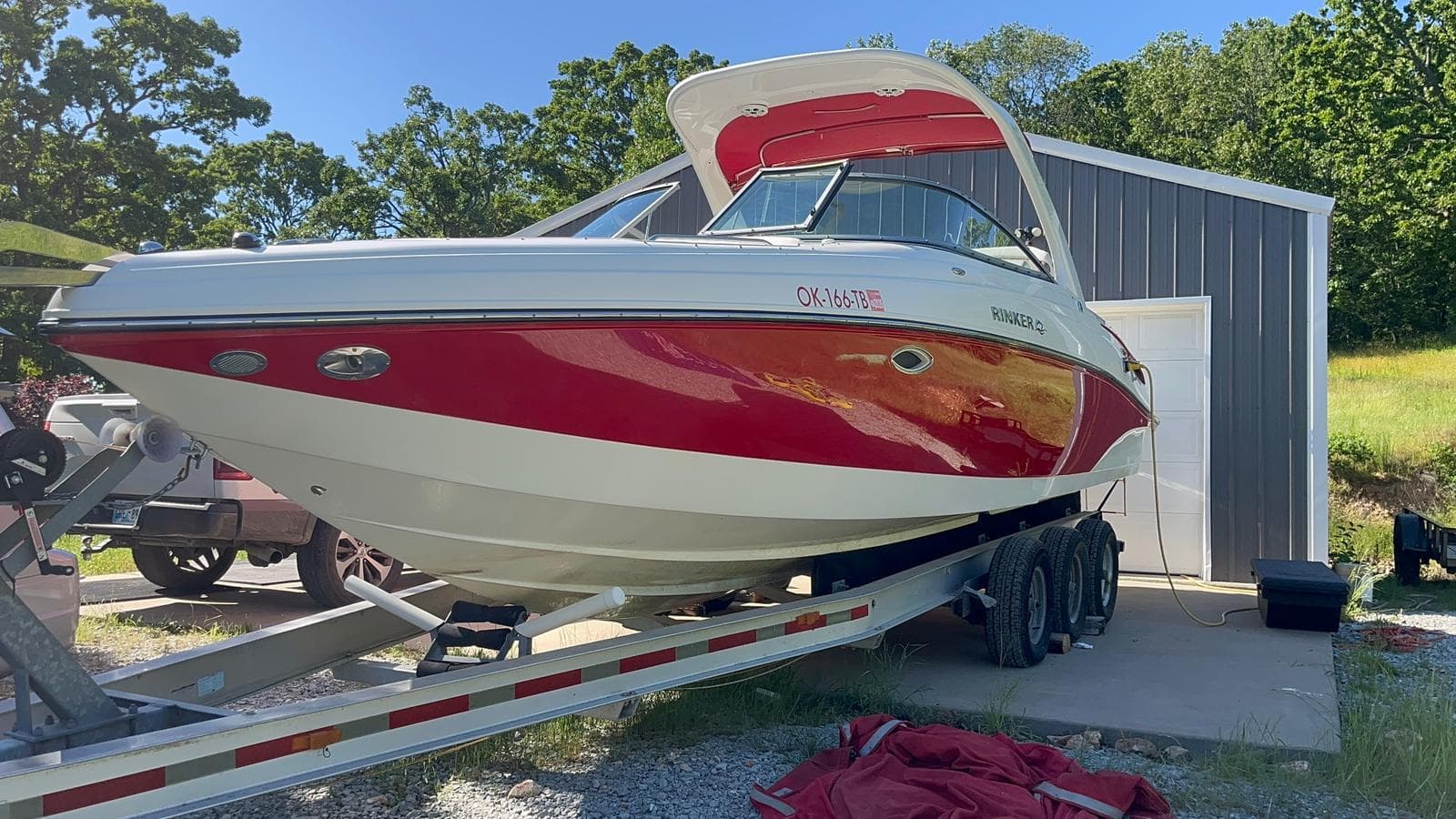
Introduction
After months in winter storage — or just sitting at the dock through the slower season — most boats need more than a quick spray-down before they're truly summer-ready. Gelcoat doesn't maintain itself, vinyl degrades in UV light, and metal fittings corrode even in covered storage.
This checklist works as a complete boat detailing reference any time of year, not just pre-season. Whether you're prepping for summer, doing a mid-season refresh, or getting ready for winter storage, the same sections apply, just adjust timing to your situation.
A thorough detail is one of the best investments you can make in your boat's longevity and appearance. It's also a lot easier to address oxidation, mildew, and corrosion on a planned visit than to fight through it while you're trying to actually enjoy time on the water.
Here's a complete checklist, section by section, to walk you through the whole process.
Hull and Exterior
Hull Wash and exterior detailing
- Rinse the entire hull thoroughly with fresh water to remove loose dirt, salt, and algae
- Apply a dedicated marine hull cleaner to cut through waterline staining and oxidation buildup
- Use a soft-bristle marine brush for above-waterline gelcoat; a stiffer brush for below the waterline
- Treat waterline staining with a specific waterline cleaner — barnacle stains and mineral deposits need targeted products
- Rinse completely and inspect the gelcoat in daylight for oxidation, crazing, or surface defects
Gelcoat Oxidation Assessment and Removal
Gelcoat oxidation is the chalky, dull white or gray haze that develops on fiberglass from prolonged UV exposure. It's one of the most common issues on boats that have spent seasons in the sun.
- Test oxidation severity by rubbing a white cloth firmly on the surface — heavy chalking means significant oxidation
- Light oxidation: a good rubbing compound followed by polish restores gloss effectively
- Moderate to heavy oxidation: requires a multi-stage approach with aggressive compound, followed by medium polish, then fine polish
- Severe oxidation: professional wet sanding may be necessary before compound work can begin
Hull Polishing and Waxing
- Apply a marine-grade gelcoat polish using a rotary or dual-action polisher after oxidation removal
- Follow with a quality marine wax or sealant — applying two coats provides better UV protection
- Consider a marine ceramic coating for longer-lasting protection that resists UV and salt water significantly better than wax
- Apply wax below the waterline only if the boat is regularly hauled and stored dry — wax degrades quickly underwater
Deck and Cockpit
Non-Skid Surfaces
- Scrub non-skid deck areas with a medium-stiff brush and marine all-purpose cleaner — non-skid texture traps dirt aggressively
- A dedicated non-skid cleaner works better than general soap for embedded grime
- Rinse thoroughly and allow to dry before applying any protectant
- Use a non-skid specific protectant — don't apply wax or slippery dressing to non-skid surfaces
Hardware and Metal Fittings
- Inspect all stainless steel hardware for rust bleed or corrosion — use a stainless cleaner and fine steel wool (0000 grade) for stubborn spots
- Polish chrome fittings with a marine chrome polish to restore shine and add a protective layer
- Treat brass fittings with a brass cleaner/polish appropriate for marine environments
- Apply a metal protectant or wax to all metal fittings after polishing to slow future oxidation
- Inspect and lubricate all hinges, latches, and deck hardware with a marine-grade lubricant
Interior and Upholstery
Vinyl Upholstery
Marine vinyl takes a beating from sun, salt spray, and heavy use. Pre-season is the time to address mildew, surface cracking, and fading.
- Clean all vinyl with a dedicated marine vinyl cleaner — avoid alcohol-based products that dry and crack vinyl
- Treat any mildew staining with a marine mildew remover; for severe cases, a diluted solution of white vinegar can help
- Inspect seams and stitching for deterioration — catching small tears early prevents major repair costs later
- Apply a quality UV-protective vinyl conditioner after cleaning — this is critical for maintaining flexibility and preventing premature cracking
Interior Surfaces and Bilge
- Vacuum all carpet and fabric areas thoroughly
- Treat carpet and fabric with a marine upholstery cleaner and a stain protectant
- Clean and deodorize the bilge area — bilge odors migrate into the cabin and are difficult to eliminate without addressing the source
- Wipe down all interior hard surfaces with a marine all-purpose cleaner
- Clean windows and windshield with a marine glass cleaner — standard automotive glass cleaner can damage some plastic windshields
Canvas, Bimini, and Covers
- Set up and inspect all canvas — bimini tops, bow covers, cockpit covers — for tears, loose stitching, and mildew
- Clean canvas with a canvas-specific cleaner; avoid pressure washing which can damage the weave
- Apply a canvas waterproofing treatment (like 303 Fabric Guard) after cleaning to restore water repellency
- Clean Eisenglass (clear vinyl windows) gently with dedicated Eisenglass cleaner and a soft cloth — scratching is easy and costly to repair
Engine and Mechanical Pre-Season Check
This section goes beyond detailing but belongs in any complete pre-season checklist:
- Check engine oil, coolant, and hydraulic fluid levels
- Inspect fuel lines and connections for cracks or deterioration from winter storage
- Test battery charge and clean battery terminals
- Run the engine and check for unusual sounds, smoke, or temperature issues
- Inspect and lubricate the steering system
Final Pre-Launch Inspection
- Check all running lights and navigation lights
- Inspect life jackets, fire extinguishers, and safety equipment — replace anything expired or deteriorated
- Verify registration and required documentation is onboard
- Do a final walkaround inspection of the hull, propeller, and through-hull fittings before launch
A full pre-season boat detail can take six to twelve hours or more depending on the size of the vessel and its condition. Mobile Detailing Expert's marine detailing team comes to your marina, storage facility, or driveway to handle the full process — from hull oxidation removal to vinyl conditioning and metal polishing. We understand the specific demands of marine environments and use products designed for the job.
Frequently Asked Questions
Q: How often should a boat be detailed?
A: A full detail before and after each boating season is the standard recommendation. Mid-season washes and spot treatments keep things manageable between full details. Boats in saltwater use may need more frequent attention than those in freshwater.
Q: Can I apply car wax to my boat's gelcoat?
A: Some car waxes can be used on gelcoat, but marine-specific waxes and sealants are formulated to hold up better against UV exposure, salt water, and the particular chemistry of fiberglass gelcoat. Marine products are the better choice for anything that spends significant time on the water.
Q: What causes the yellow staining at the waterline?
A: Waterline staining typically comes from a combination of algae, mineral deposits from the water, oils from marine life, and oxidation. Waterline-specific marine cleaners address these more effectively than general boat soap. Stubborn staining sometimes requires a mild acid-based hull cleaner — use carefully and follow the product instructions.
Q: Is ceramic coating worth it for a boat?
A: For boats in regular use, particularly in saltwater or high-UV environments, a marine ceramic coating is a strong investment. It dramatically outperforms wax in terms of UV protection, chemical resistance, and durability. It won't prevent all oxidation indefinitely, but it significantly slows it.
Q: How do I prevent mildew from coming back in my boat's interior?
A: Mildew thrives in moisture and warmth. After every outing, wipe down interior surfaces and leave hatches slightly open when in storage to allow air circulation. Use a quality mildew inhibitor product on upholstery at the start and middle of the season. A dehumidifier in enclosed storage also makes a significant difference.
Ready for summer on the water? Mobile Detailing Expert handles complete boat detailing at your marina, storage facility, or home — hull to interior, oxidation removal to ceramic coating. Get your boat summer-ready with a team that knows marine detailing inside and out.
When you are ready, browse detailing packages or request a quote.
Boat Detailing Near You
AtlantaBaltimoreBirminghamColumbusDallasDenverHuntsvilleIndianapolisJacksonvilleLos AngelesMemphisMinneapolisNew YorkNorfolkOrlandoSan AntonioSan JoseSavannahSeattleTampaTulsaWilmington