
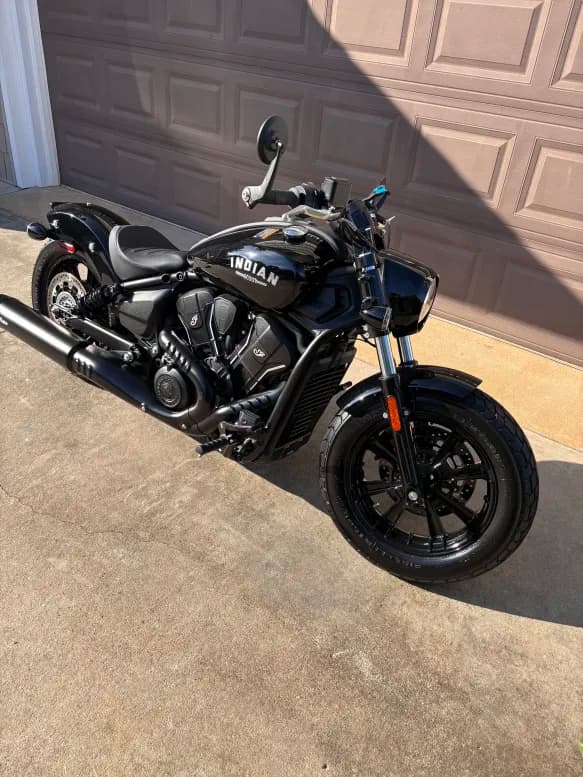
Motorcycle storage prep protects your bike from rust, dead batteries, and fuel problems during the off-season. The core steps are simple: clean and protect every surface, stabilize the fuel, tend the battery, and cover the bike in a dry spot. Skip these and you face corrosion, gummed-up carbs, and a no-start come spring. This guide is a full motorcycle storage prep checklist, covering how to winterize a motorcycle, protect it in storage, and get it ready for spring. Do it right and your bike rolls out in spring just as you parked it. See detailing packages for pricing and options.
Storage damage is silent. The bike sits looking fine while moisture, stale fuel, and a draining battery do their work. Prep stops all three.
Why Storage Prep Matters
Storage prep matters because a parked bike still degrades without it. Sitting idle for months invites rust, fuel breakdown, flat spots, and a dead battery.
What goes wrong without prep:
- Rust and corrosion. Moisture attacks chrome, bolts, and bare metal.
- Stale fuel. Untreated gas breaks down and gums up the fuel system.
- Dead battery. A disconnected or untended battery drains and can fail.
- Tire flat spots. Sitting in one spot too long flat-spots the tires.
- Seized parts. Cables and the chain can stiffen and corrode.
A few hours of prep prevents costly repairs. The off-season is when most hidden damage happens, not the riding season.
How to Winterize a Motorcycle
Winterizing a motorcycle means protecting the fuel, battery, fluids, and surfaces before long storage. These steps cover the systems that fail first when a bike sits.
Work through this order:
- Wash and dry fully. Start clean. Dirt and moisture left on the bike cause rust.
- Change the oil. Old oil holds acids and contaminants that harm the engine over months.
- Stabilize the fuel. Add fuel stabilizer, then ride a few minutes so it reaches the whole system.
- Top off the tank. A full tank leaves less room for condensation and rust inside.
- Tend the battery. Remove it or connect a battery tender to keep it charged.
- Lube the chain. A fresh coat prevents rust over the off-season.
Do the wash before anything else. A clean bike stores far better than a dirty one, since grime traps the moisture that starts rust.
Motorcycle Storage Prep Checklist
This checklist covers every step to store a motorcycle safely. Run through it once and your bike is set for months.
The full list:
- Clean and dry the entire bike, including underneath.
- Wax or seal painted surfaces, and protect chrome and metal.
- Change the oil and filter.
- Add fuel stabilizer and fill the tank.
- Remove or tender the battery.
- Lube the chain and cables.
- Inflate tires to spec, and lift on stands if possible.
- Plug the exhaust to keep out moisture and pests.
- Cover with a breathable cover in a dry, sheltered spot.
Use a breathable cover, not plastic. Plastic traps condensation against the bike and causes the rust you are trying to prevent.
How to Protect a Motorcycle in Storage
Protect a stored motorcycle by sealing surfaces, controlling moisture, and keeping pests out. The goal is a dry, stable environment for months.
Key protection steps:
- Seal the paint and metal. Wax or coat painted parts. Use a metal protectant on chrome.
- Control moisture. Store in a dry space. Add a desiccant or dehumidifier in damp areas.
- Lift the tires. Use stands or rotate the bike occasionally to prevent flat spots.
- Block pests. Plug the exhaust and intake so mice and bugs stay out.
- Avoid the bare floor. A pad or stand under the bike blocks moisture from below.
Where you store the bike matters as much as how. A dry garage beats a damp shed every time. Keep the bike off concrete when you can, since slabs hold and release moisture.
Getting Your Motorcycle Ready for Spring
Spring prep means reversing your storage steps and inspecting the bike before you ride. A careful startup protects both the bike and you.
Your spring checklist:
- Reinstall the battery. Or confirm the tender kept it charged and healthy.
- Check fluids. Oil, coolant, and brake fluid levels and condition.
- Inspect tires. Check pressure, tread, and for any flat spots or cracking.
- Test the brakes. Confirm firm lever feel and check the pads.
- Look over the chain. Clean, lube, and check tension.
- Wash off storage dust. A fresh detail brings back the shine.
- Start and warm up. Let it idle, listen for issues, then ride gently at first.
Do a full safety check before the first ride. Months of sitting can affect brakes, tires, and cables, so confirm everything works before you hit the road.
A Fresh Detail for Both Ends of the Season
A detail at both ends of storage protects the bike and gives you a clean inspection. Bookend the off-season with proper cleaning and protection.
Why it helps:
- Before storage: a clean, sealed bike resists rust and stores better.
- After storage: a detail removes dust and lets you spot any new corrosion early.
- Inspection bonus: detailing puts eyes on every surface, catching problems before spring rides.
- Shine restored: the bike looks ready to ride from day one.
This is an easy task to hand off. A pro detail before storage and again in spring keeps your bike protected and saves you the work at both ends.
Learn more at Mobile Detailing Expert.
Related Resources
- motorcycle detailing service
- get a quote
- motorcycle detailing complete guide
- clean protect motorcycle chrome
- motorcycle ceramic coating worth it
- exterior detailing
Frequently Asked Questions
How do I prepare a motorcycle for winter storage?
Wash and dry the bike fully, then seal the paint and metal. Change the oil, add fuel stabilizer, and fill the tank. Remove or connect the battery to a tender, lube the chain, and inflate the tires. Plug the exhaust and cover the bike with a breathable cover in a dry spot.
Should I disconnect my motorcycle battery for storage?
Yes, either remove it or connect a battery tender. A battery left connected slowly drains and can fail or freeze in cold storage. A tender keeps it topped off and healthy through the off-season. If you remove it, store the battery somewhere cool and dry, and charge it periodically.
How do I keep my motorcycle from rusting in storage?
Start with a clean, fully dried bike, since trapped moisture causes rust. Seal painted surfaces with wax and protect chrome with a metal sealant. Store in a dry space, use a breathable cover, and keep the bike off bare concrete. A desiccant or dehumidifier helps in damp areas.
How do I get my motorcycle ready for spring?
Reinstall the battery, check all fluids, and inspect the tires for pressure and flat spots. Test the brakes, clean and lube the chain, and wash off storage dust. Start the bike and let it warm up while you listen for issues. Do a full safety check before your first ride.
Do I need to change the oil before storing my motorcycle?
Yes. Used oil holds acids, moisture, and contaminants that can corrode engine internals over months of sitting. Fresh oil protects those parts through the off-season. Change the oil and filter as part of your storage prep, then change it again in spring if you prefer, though pre-storage is the key step.
Store
Smart, Ride Ready Proper storage prep is the difference between a smooth spring start and a costly repair bill. A clean, sealed, well-prepped bike rolls out ready to ride. Our mobile team handles pre-storage and spring details right at your location, so your motorcycle stays protected year-round. Book a motorcycle detailing service, or get a quote today.