
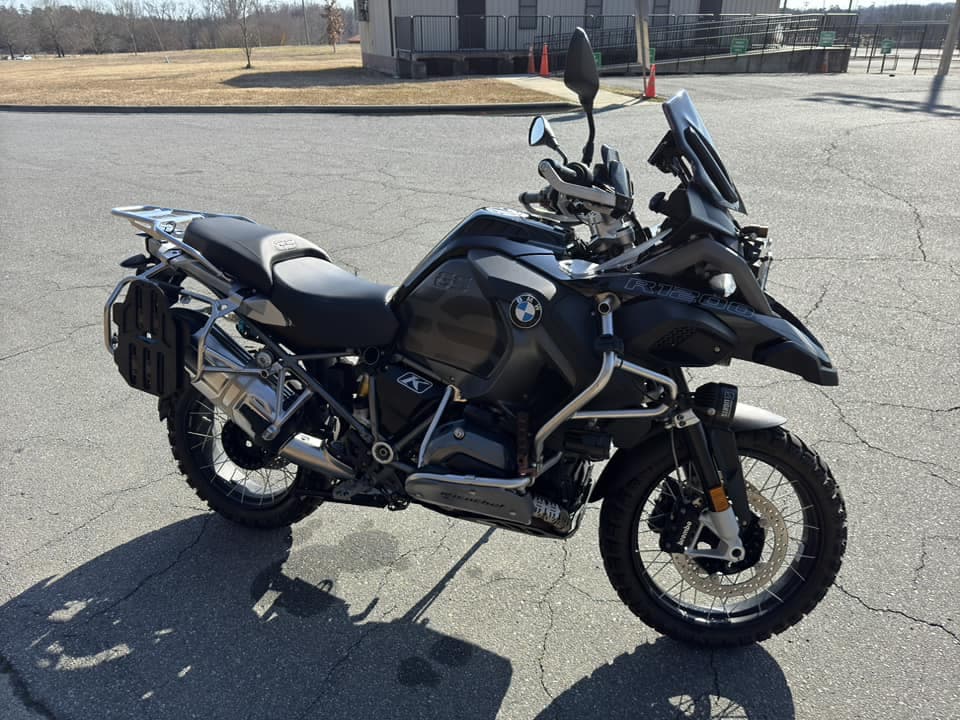
Learning how to wash a motorcycle the right way protects your paint, electronics, and bearings from damage. The basics are simple: cool the bike down, use low water pressure, wash top to bottom, and dry every drop. The mistakes that hurt bikes are blasting water into the wrong places and letting water sit. This guide covers how to wash a motorcycle without damaging it, whether you can pressure wash a bike, the best way to dry it, and how to clean the engine safely. Get the motorcycle washing routine right and your bike stays clean and corrosion-free.
A motorcycle is more exposed than a car. Water reaches bearings, electrical connectors, and the air intake far more easily. Control where it goes.
Before You Start: Prep the Bike
Prep keeps water out of the places it should never reach. A few minutes of setup prevents most wash damage.
Do this first:
- Let the engine and pipes cool. Wait at least 30 minutes after riding. Cold metal and water mix safely.
- Cover sensitive parts. Plug the exhaust tip and cover the air intake and key switch if your bike is exposed there.
- Move to shade. Direct sun dries soap into spots before you can rinse.
- Gather your gear. Bike soap, two buckets, a soft mitt, microfiber towels, and a gentle hose.
Skip the dish soap. It strips wax and protection. Use a soap made for vehicles so you do not undo your sealants.
Can You Pressure Wash a Motorcycle?
You can pressure wash a motorcycle, but only with care and distance. High pressure forces water past seals into bearings and electronics, and it can strip paint and decals.
If you use a pressure washer:
- Keep it on the lowest setting. Use a wide fan tip, never a pinpoint nozzle.
- Stay 3 feet back. Distance spreads the force out.
- Avoid direct hits. Never aim at bearings, the chain, seals, electrical parts, or the instrument cluster.
- Skip it on decals and emblems. Pressure peels them right off.
Honestly, a regular hose at low pressure is safer for most riders. The risk of a pressure washer rarely beats the small time it saves. When in doubt, use the gentle hose.
How to Wash a Motorcycle Step by Step
Wash a motorcycle from top to bottom and clean to dirty. That order keeps grime off the parts you already finished. See detailing packages for pricing and options.
The routine:
- Rinse gently. Low-pressure water to loosen dirt and bugs.
- Degrease the lower end. Hit the chain area, sprockets, and engine cases first.
- Wash the body. Soft mitt, bike soap, starting at the top.
- Use two buckets. One for soap, one to rinse the mitt. This keeps grit off the paint.
- Clean wheels last. They hold the most brake dust and tar.
- Rinse thoroughly. Flush all soap before it dries.
- Dry right away. Do not let the bike air dry.
Work in sections and rinse often. Soap left to dry leaves exterior detailing and streaks that are hard to remove later.
How to Wash a Motorcycle Engine Safely
Clean the engine with care, since water in the wrong spot causes real problems. The goal is a clean engine without soaked electronics or bearings.
Safe engine cleaning:
- Keep the engine cool. Never spray a hot engine. Thermal shock can crack parts.
- Use a degreaser and a brush. A detailing brush reaches fins and cases better than a hose blast.
- Go light on water. Wipe, do not flood. Use damp cloths near connectors.
- Protect electrical parts. Cover or avoid the coil, plug caps, and wiring.
- Dry with air. A blower or compressed air clears water from tight spots.
Take your time around the engine. Most electrical gremlins after a wash come from water in connectors, not from the engine itself.
The Best Way to Dry a Motorcycle
The best way to dry a motorcycle is with microfiber towels and forced air, not air drying. Standing water spots the paint and starts rust on bolts and chrome.
Dry it like this:
- Towel the big surfaces. Soft microfiber on tank, fenders, and fairings.
- Blow out the cracks. A leaf blower or air blower clears water from seams, the chain, and switches.
- Get the bolts and chrome. These rust first, so dry them by hand.
- Take a short ride (optional). A slow ride helps fling out hidden water once the surface is dry.
Never let a bike air dry. Trapped water in seams and bolts is the top cause of rust between washes. Five minutes of drying saves hours of rust cleanup.
Motorcycle Washing Dos and Donts
A short list of dos and donts keeps your wash safe every time. Most wash damage comes from breaking just a few of these rules.
Do:
- Let the bike cool before washing.
- Use vehicle soap and a soft mitt.
- Wash top to bottom, clean to dirty.
- Dry fully with microfiber and air.
- Re-lube the chain after washing.
Dont:
- Use dish soap or harsh degreasers on paint.
- Blast water into bearings, seals, or electronics.
- Use a pinpoint pressure nozzle up close.
- Let soap or water dry on the surface.
- Forget to lube the chain, which strips clean and rusts fast.
That last point matters. Always re-lube the chain after a wash. Washing strips the chain lube and a dry chain wears and rusts quickly.
Learn more at Mobile Detailing Expert.
Related Resources
- motorcycle detailing service
- get a quote
- motorcycle detailing complete guide
- clean protect motorcycle chrome
- motorcycle ceramic coating worth it
Frequently Asked Questions
Can you pressure wash a motorcycle?
Yes, but carefully. Use the lowest setting and a wide fan tip, stay about 3 feet back, and never aim at bearings, seals, the chain, or electronics. High pressure forces water past seals and peels decals. For most riders, a regular hose at low pressure is safer and nearly as fast.
What is the best way to dry a motorcycle?
Use microfiber towels on the big surfaces, then a blower or compressed air to clear water from seams, bolts, the chain, and switches. Never let a bike air dry. Standing water leaves spots and starts rust on chrome and hardware. A short, slow ride afterward helps fling out hidden water.
Can I wash my motorcycle engine with water?
Yes, but go light. Keep the engine cool, use a degreaser and a detailing brush, and wipe rather than flood. Cover or avoid electrical parts like the coil and plug caps. Dry tight spots with air. Most post-wash electrical issues come from water trapped in connectors, not the engine itself.
What soap should I use to wash my motorcycle?
Use a soap made for vehicles, ideally a dedicated motorcycle or car wash soap. Avoid dish soap, since it strips wax and protective coatings. A pH-balanced soap cleans grime without harming your sealants. Pair it with a soft wash mitt and the two-bucket method to keep grit off the paint.
Do I need to lube the chain after every wash?
Yes. Washing strips lubricant off the chain, and a dry chain wears fast and rusts quickly. After the bike is dry, apply chain lube to a slightly warm chain so it penetrates the links. This simple step adds chain life and keeps your drivetrain running smooth.
Let
Us Handle the Wash for You A proper wash takes time and the right gear, and one mistake can mean rust or electrical trouble. Our mobile team washes and dries your bike the safe way, right at your home. We protect your paint, electronics, and chain every time. Book a motorcycle detailing service, or get a quote in minutes.