
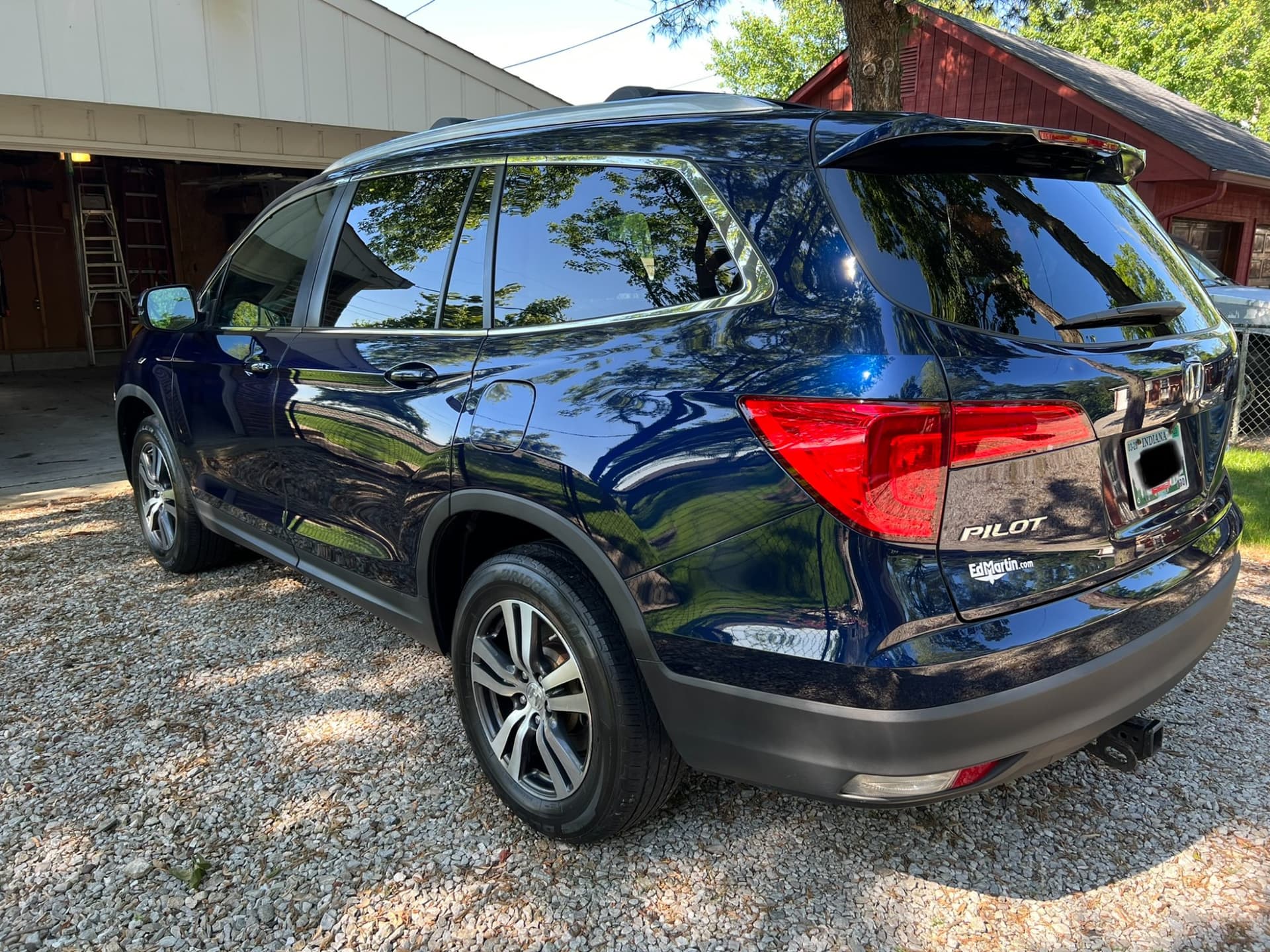
A clay bar treatment does not remove oxidation or scratches. It removes bonded surface contaminants like dirt, tar, tree sap, and industrial fallout. Oxidation and scratches sit inside the clear coat, which a clay bar cannot reach. To fix those, you need polishing or paint correction instead.
This guide clears up the confusion. We explain exactly what a clay bar removes, why it does nothing for oxidation or scratches, and what does fix dull, damaged paint. By the end, you will know when to clay, when to polish, and how the two work together for a perfect finish.
Does a Clay Bar Remove Oxidation?
A clay bar does not remove oxidation because oxidation is paint damage, not a surface contaminant. Oxidation happens when sun and air break down the clear coat. The damage is inside the paint, where clay cannot work.
Here is the difference that matters:
- Clay bar job: Lift contaminants that sit on top of the paint.
- Oxidation: Faded, chalky, dull paint caused by breakdown of the clear coat.
A clay bar glides over the surface and grabs bonded debris. Oxidation is baked into the clear coat itself. To remove oxidation, you need a polishing compound that levels the damaged layer. Clay simply cannot do that job.
What Does a Clay Bar Actually Remove from Paint?
A clay bar removes bonded contaminants that washing alone leaves behind. These are particles stuck to the surface, not damage within the paint. Run your hand over clean paint and feel the roughness. That is what clay removes.
A clay bar lifts:
- Tar and road grime
- Tree sap and bug residue
- Industrial fallout and rail dust
- Overspray from paint or coatings
- Brake dust bonded to the surface
After claying, the paint feels glass-smooth. This is the clay bar's true purpose. It preps the surface so wax, sealant, or coating bonds properly. It is a cleaning step, not a repair step.
Will a Clay Bar Remove Scratches?
A clay bar will not remove scratches of any kind. Scratches are physical grooves in the clear coat. A clay bar only lifts material that sits on the surface, so it cannot fill or level a scratch.
This includes every type of scratch:
- Swirl marks from washing
- Light scratches from dirt or brushes
- Deep scratches that reach the base coat
To remove scratches, you polish the clear coat to level it down to the bottom of the groove. Light scratches and swirls come out with compound and polish. Deep scratches that pass through the clear coat need touch-up paint. Clay plays no part in any of that.
Does a Clay Bar Remove Water Spots?
A clay bar removes only the surface part of water spots, not etched ones. Water spots come in two types. The clay handles one and fails on the other.
Here is how it breaks down:
- Mineral deposit spots: Sit on top of the paint. Clay can remove these.
- Etched water spots: Burned into the clear coat. Clay cannot fix these.
If the water spot is a raised mineral crust, claying lifts it off. If the spot has etched a ring into the clear coat, you need polishing to level it. Test by feel. Rough deposits clay away, while etched rings stay and need correction.
Can a Clay Bar Fix Dull Paint?
A clay bar can make contaminated paint look brighter, but it cannot fix dull paint caused by oxidation. The improvement comes from removing the gritty film that hides the shine. Real dullness from clear coat breakdown needs polishing.
Two different problems cause dull-looking paint:
- Contaminant film: Clay removes it and the gloss returns.
- Oxidation: Clay does nothing. Polishing restores the shine.
If your paint feels rough and looks hazy, claying may reveal a brighter finish underneath. If the paint is chalky and faded even when clean, that is oxidation. Only a polishing compound or paint correction brings that paint back to life.
What Fixes Oxidation and Scratches If Clay Does Not?
Polishing and paint correction fix oxidation and scratches, the jobs a clay bar cannot do. These processes use abrasives to level the damaged clear coat. That is the only way to remove flaws inside the paint.
Here is what handles each problem:
- Oxidation: A cutting compound removes the faded clear coat layer.
- Swirls and light scratches: A polish levels the surface.
- Heavy defects: A multi-step paint correction restores the finish.
- Deep scratches to base coat: Touch-up paint, not polishing.
Clay and polish work as a team. You clay first to clean the surface, then polish to remove the damage. Skipping the clay step drags contaminants into the polish and creates new scratches.
How Clay Bar and Polishing Work Together
Clay bar and polishing work together as steps one and two of paint restoration. Clay cleans the surface. Polishing repairs the paint. You need both for a truly flawless finish.
The full process runs like this:
- Wash the car to remove loose dirt.
- Clay the paint to lift bonded contaminants.
- Polish or compound to remove oxidation and scratches.
- Protect with a sealant, wax, or ceramic coating.
Claying before polishing is critical. A clean surface lets the polish cut evenly without grinding grit into the paint. This is why our clay bar and polishing service combines both steps for the best result .
When you are ready, browse detailing packages or request a quote. Learn more at Mobile Detailing Expert.
Related Resources
- clay bar and polishing
- what is included in a full car detail
- get a quote
- can a clay bar damage paint
- car detailing
Frequently Asked Questions
Does a clay bar remove oxidation?
No, a clay bar does not remove oxidation. Oxidation is damage inside the clear coat caused by sun and air, not a surface contaminant. A clay bar only lifts bonded debris that sits on top of the paint. To remove oxidation, you need a cutting compound or paint correction that levels the faded clear coat layer.
Will a clay bar remove scratches?
No, a clay bar will not remove scratches. Scratches are grooves cut into the clear coat, and a clay bar only lifts material from the surface. It cannot fill or level a scratch. Light scratches and swirls come out with polishing. Deep scratches that reach the base coat require touch-up paint instead.
What does a clay bar remove from paint?
A clay bar removes bonded contaminants that washing leaves behind. This includes tar, tree sap, bug residue, industrial fallout, rail dust, overspray, and bonded brake dust. After claying, the paint feels glass-smooth. The clay bar is a surface-cleaning step that preps the paint for wax, sealant, or ceramic coating. It does not repair paint damage.
Does a clay bar remove water spots?
A clay bar removes surface water spots made of mineral deposits sitting on top of the paint. It cannot remove etched water spots that have burned into the clear coat. Test by feel. Rough, raised deposits clay away easily. Etched rings stay behind and need polishing or paint correction to level the damaged surface.
Can a clay bar fix dull paint?
A clay bar can brighten paint that looks dull from a gritty contaminant film. Removing that film reveals the gloss hiding underneath. However, it cannot fix dullness caused by oxidation, which is clear coat breakdown. If the paint stays chalky and faded after cleaning, only polishing or paint correction will restore the shine.
Restore
Your Paint the Right Way A clay bar cleans the surface, but it cannot remove oxidation or scratches. Those need polishing and paint correction. Knowing the difference saves you time, money, and frustration with your finish. Our mobile team handles both steps in one visit, right in your driveway. Discover how our clay bar and polishing services clean and restore your paint. Ready to bring back the shine? Get a quote today.
Clay Bar & Polishing Near You
AtlantaBaltimoreBirminghamColumbusDallasDenverHuntsvilleIndianapolisJacksonvilleLos AngelesMemphisMinneapolisNew YorkNorfolkOrlandoSan AntonioSan JoseSavannahSeattleTampaTulsaWilmington