
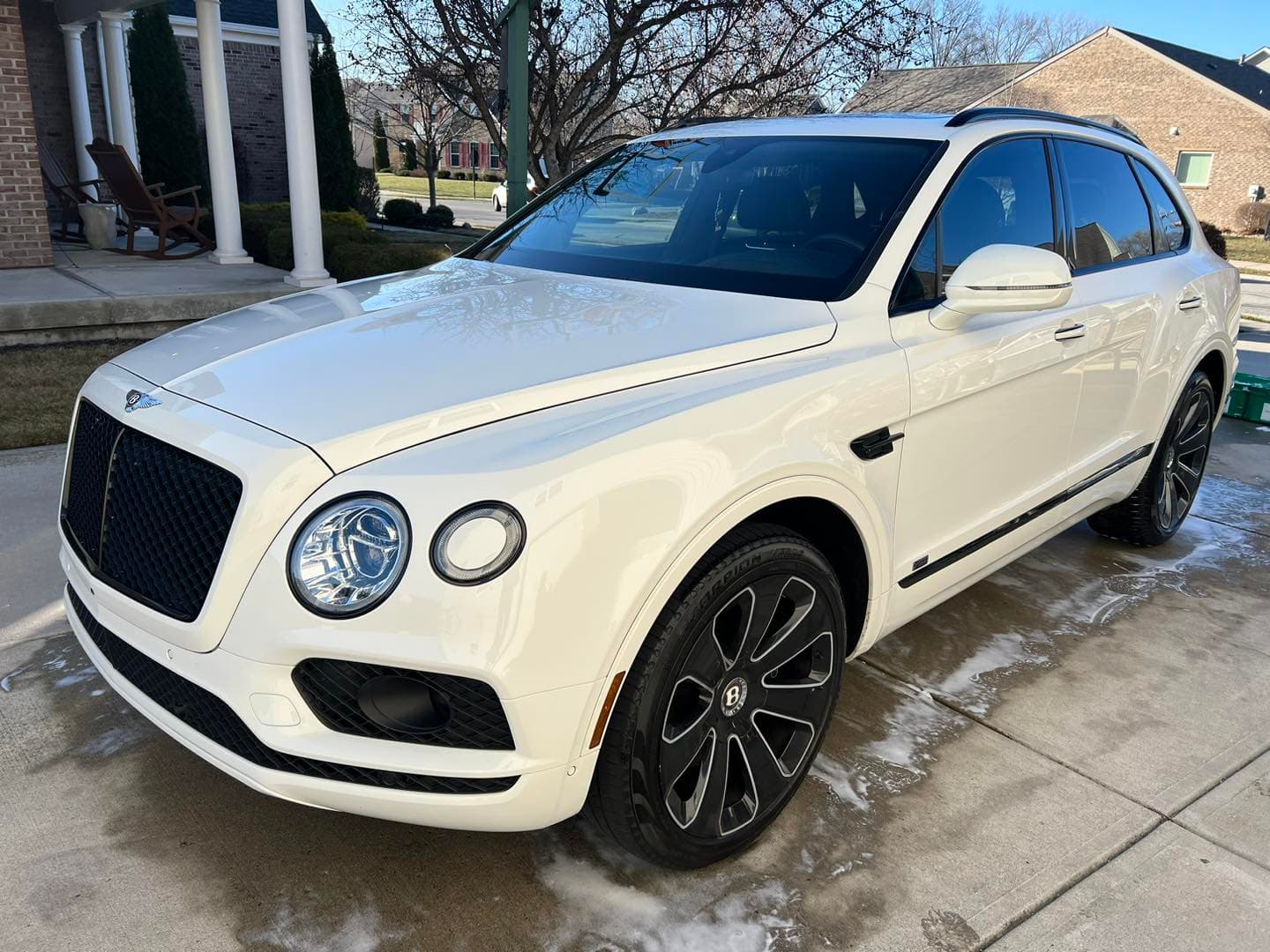
Rainy season car care comes down to two problems: water spots on the outside and mold on the inside. Rain is not pure water. It carries minerals and pollutants that dry into hard spots on your paint. Trapped moisture inside the cabin breeds mold and odor. The fix is to dry your car after every rain, protect the paint, and keep the interior dry. This guide shows you how to protect your car in the rainy season, inside and out.
Why Rain Is Hard on Your Car
Rainwater leaves mineral deposits that bond to your paint.
People assume rain cleans a car. It does the opposite. Rain picks up dust, pollution, and minerals from the air on the way down.
When that water dries, it leaves behind:
- Mineral spots from calcium and other dissolved solids.
- Acidic residue from air pollution, sometimes called acid rain.
- Dirt rings where dust settles as water evaporates.
- Etching if spots sit in the sun and bake on.
Do rain water spots damage paint? The spots themselves are mostly cosmetic. Left baking in the sun, though, they can etch the clear coat.
How to Dry Your Car After Rain
Drying your car promptly stops water spots before they form.
Water spots form as water evaporates and leaves minerals behind. Beat that process by drying the car before it air-dries. This is the core of rainy season care.
Do this after every rain when you can: See detailing packages for pricing and options.
- Use a clean microfiber towel or a dedicated drying towel.
- Work top to bottom so you do not drag grit upward.
- Open and dry door jambs and the trunk lip.
- Use a blower for mirrors, grilles, and tight spots.
If you cannot dry it right away, at least rinse with clean water. That dilutes the minerals so they spot less.
Prevent Water Spots With Protection
A coated surface makes rain bead up and roll off.
The best way to fight water spots is to stop water from clinging. A slick, protected surface gives minerals nothing to grab.
Your protection options:
- Ceramic coating - extreme water beading, rain sheets right off.
- Sealant - strong beading for 4 to 6 months.
- Spray wax - quick protection between full details.
- Glass coating - rain rolls off the windshield as you drive.
On a ceramic-coated car, most rain rolls off before it can spot. That alone cuts your drying time dramatically.
Keep Water Out of the Interior
Trapped moisture inside the cabin is what causes mold.
Mold needs moisture, warmth, and time. A damp interior in the rainy season gives it all three. Keeping water out is the only real prevention.
Stop interior moisture by:
- Checking door and window seals for leaks.
- Drying wet floor mats instead of letting them sit.
- Wiping down condensation on glass and trim.
- Clearing clogged drains in the cowl and sunroof.
A clogged sunroof drain is a top cause of soaked carpets. Clear those drains before the rainy season starts.
Spot and Stop Mold Early
Catching mold early keeps it from spreading through the cabin.
Mold starts small and spreads fast in a damp car. A musty smell is usually the first warning. Act on it right away.
Watch for these signs:
- A musty or damp odor when you start the car.
- Fuzzy spots on seats, carpet, or seat belts.
- Foggy windows that will not clear.
- Worse allergies when you drive.
If you smell must, find the moisture source first. Killing the mold without fixing the leak just lets it come back.
Handle Existing Mold the Right Way
Real mold needs more than a wipe-down.
Surface cleaner does not kill mold at the root. It hides it for a few days. Proper removal takes the right products and full drying.
Effective mold removal involves:
- Finding and fixing the moisture source first.
- Using an antimicrobial cleaner made for car interiors.
- Deep extracting carpets and seats with a wet vac.
- Fully drying the cabin before closing it up.
Heavy mold often needs professional extraction and treatment. A full interior mold remediation usually runs depending on severity.
Pacific Northwest and Other Persistent-Rain Climates
Some regions, the Pacific Northwest especially, don't deal with occasional heavy downpours so much as constant, low-grade drizzle for months at a time. That changes the maintenance priorities slightly.
Moss and algae growth becomes a real issue in these climates, not just on the car but in trim seams, mirror housings, and anywhere moisture sits without direct sun to dry it out. A quick wipe-down of these areas periodically prevents buildup that's much harder to remove once established.
Constant low-level moisture also means paint rarely gets a real chance to fully dry between exposures, which is why regular waxing or a sealant matters more here than in climates with intermittent heavy rain followed by sun. The goal is a surface that sheds water fast every time it rains, not just after the occasional storm.
Learn more at Mobile Detailing Expert.
Related Resources
- winter car care road salt paint protection
- winter car care road salt protection cycle
- winter car care road salt protection cycle
- get a quote
- car detailing
- exterior detailing
Frequently Asked Questions
Do rain water spots really damage car paint?
The spots themselves are mostly cosmetic, since they are mineral deposits left when rainwater evaporates. The real risk comes when those spots bake in the sun and etch into the clear coat. Drying your car after rain prevents most spots, and a ceramic coating or sealant keeps minerals from bonding to the paint in the first place.
How do I dry my car after rain to avoid water spots?
Dry your car as soon as you can with a clean microfiber drying towel, working top to bottom. Open and dry the door jambs and trunk lip, and use a blower for mirrors and tight spots. If you cannot dry it right away, rinse with clean water to dilute the minerals so they spot less when the surface dries.
How does rain cause mold inside my car?
Mold needs moisture, warmth, and time. Rain gets into the cabin through leaky seals, clogged sunroof or cowl drains, and wet shoes and mats. When that moisture sits in the warm interior, mold grows on carpet, seats, and seat belts. Keeping the interior dry and clearing the drains is the only reliable way to prevent it.
How can I prevent water spots during the rainy season?
The best prevention is a ceramic coating or sealant, which makes rain bead up and roll off before it can spot. A glass coating helps rain sheet off the windshield as you drive. Drying the car after rain and parking under cover also help. A protected surface dramatically cuts both spotting and the time you spend drying.
Can I remove car mold myself or do I need a pro?
You can handle a small, fresh patch with an antimicrobial interior cleaner and full drying, but you must fix the moisture source first. Heavy or recurring mold needs professional extraction, since surface cleaning only hides it. A pro deep-extracts the carpets and seats, treats the cabin, and dries it fully so the mold does not return.
Keep Your Car Dry and Spot-Free This Rainy Season
Rain does not have to mean water spots and musty interiors. A protected finish and a dry, clean cabin handle the wettest months with ease. Our mobile team comes to you to coat the paint, dry the interior, and stop mold at the source. Book an interior and exterior detailing today and beat the rainy season. Visit our exterior detailing or interior detailing page, or get a quote to start.
Exterior Detailing Near You
AtlantaBaltimoreBirminghamColumbusDallasDenverHuntsvilleIndianapolisJacksonvilleLos AngelesMemphisMinneapolisNew YorkNorfolkOrlandoSan AntonioSan JoseSavannahSeattleTampaTulsaWilmington