
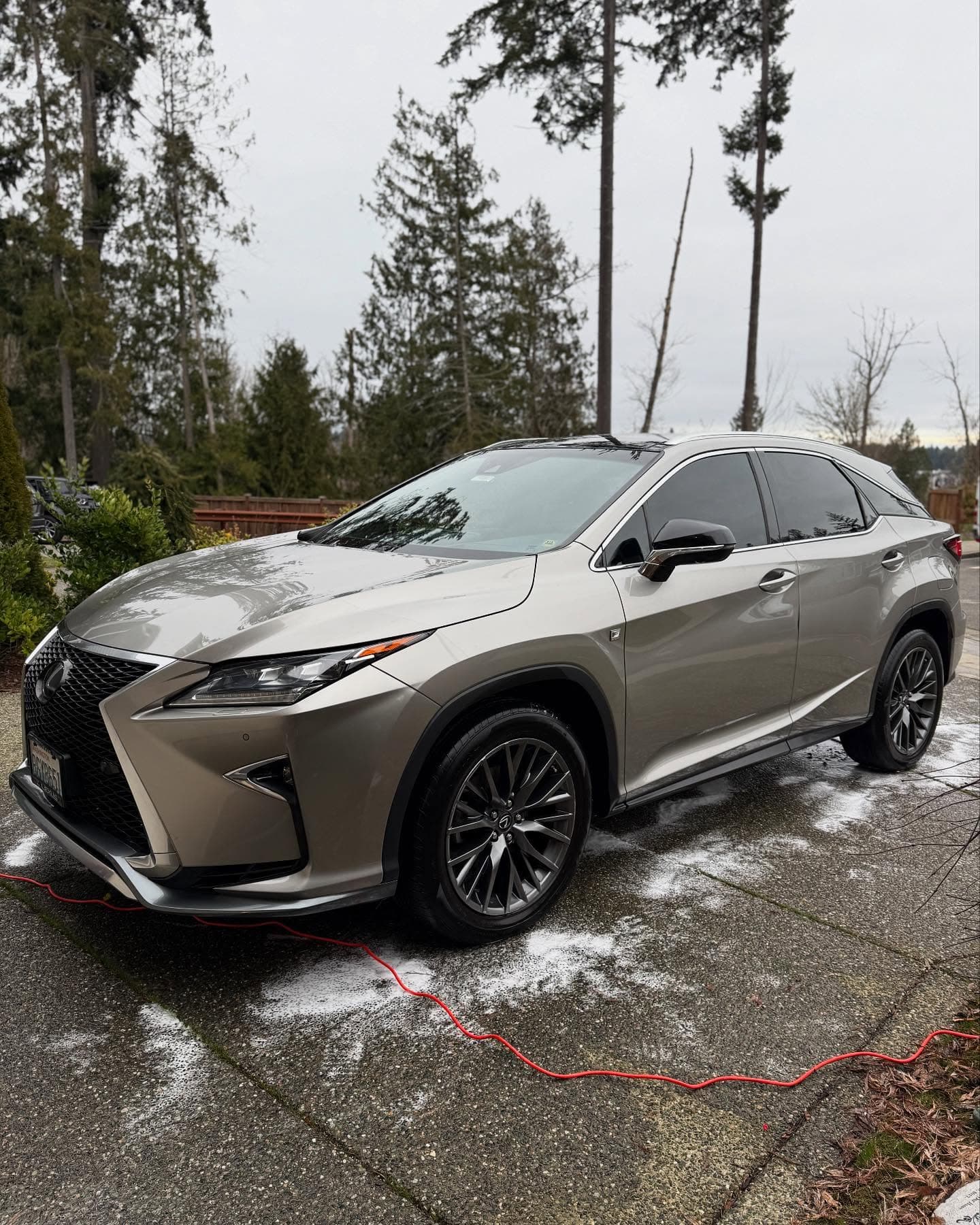
Learning how to remove pollen from your car the right way protects your paint through spring. Pollen looks harmless, but it is acidic. When it gets wet, it etches into your clear coat and leaves dull marks. The fix is to rinse first, never wipe dry pollen, and wash often during the season. A protective coating makes the whole job easier. This guide explains how pollen damages car paint and exactly how to wash pollen off your car safely.
Why Pollen Is Worse Than It Looks
Pollen is acidic, and acid etches your paint.
That yellow dust is not just messy. Pollen contains acidic compounds. When moisture from rain, dew, or humidity hits it, those acids activate.
Here is what happens to your paint:
- Pollen lands and sticks in a fine layer across the car.
- Moisture activates the acid and it begins to react.
- The acid etches the clear coat, leaving dull spots.
- Marks become permanent if left for days or weeks.
Does pollen damage car paint? Yes. On its own it is mild, but combined with moisture and time it causes real etching.
Never Wipe Dry Pollen Off Your Car
Wiping dry pollen grinds it into your clear coat like sandpaper.
This is the most common mistake people make. They see the dust and swipe it with a dry towel or their hand. That is the worst thing you can do.
Wiping dry pollen causes:
- Fine scratches and swirls across the paint.
- Embedded particles dragged deeper into the clear coat.
- A dull, hazy finish that needs polishing to fix.
Always start with water. The pollen has to be lifted off, not pushed around. Knowing how to wash pollen off your car safely begins here.
How to Remove Pollen From Your Car the Right Way
A proper pollen wash rinses, lifts, and lubricates before any contact.
Removing pollen is about lots of water and gentle handling. Follow these steps to protect the finish.
Do it in this order:
- Rinse thoroughly to flush off as much loose pollen as you can.
- Foam or pre-soak the car to lift the rest off the surface.
- Two-bucket wash with a clean mitt and plenty of soapy water.
- Rinse again and check for any pollen left in seams.
- Dry with a clean microfiber or a blower.
Do not skip the pre-rinse. It removes the abrasive layer before your mitt ever touches the paint.
Clean the Pollen You Cannot See
Pollen builds up in vents, seals, and the interior too.
The paint gets all the attention. But pollen settles everywhere. It clogs filters and triggers allergies inside the cabin.
Hit these spots during pollen season:
- Cowl and wiper area where pollen collects in piles.
- Door and trunk seals that trap yellow dust.
- Cabin air filter that loads up and spreads pollen inside.
- Vents and dash where dust settles on every surface.
Replace the cabin air filter in spring. A clogged filter pushes pollen straight into the air you breathe while driving.
Protect Your Car From Pollen
A coated surface keeps pollen from bonding to the paint.
You cannot stop pollen from landing. You can stop it from sticking and etching. Protection makes spring washes faster and safer.
Your best defenses are:
- Ceramic coating - pollen rinses off with far less effort.
- Sealant or wax - adds a slick barrier the acid cannot grip.
- Frequent rinsing - a quick hose-off between full washes.
- Covered parking - the simplest way to cut exposure.
On a coated car, a quick rinse removes most pollen. That means less scrubbing and less risk of scratching.
When to Call a Pro for Pollen Damage
If your paint is already etched, polishing is the fix. See detailing packages for pricing and options.
Sometimes pollen sits too long and the damage is done. You will see dull, spotty areas that washing will not clear. That is etching.
Signs you need professional help:
- Dull or cloudy spots that stay after a full wash.
- A rough texture you can feel on clean paint.
- Water no longer beads on the surface.
- Visible etching rings where pollen sat in moisture.
A light polish removes most pollen etching and restores gloss. A professional exterior detailing and polish usually runs depending on severity.
Learn more at Mobile Detailing Expert.
Related Resources
- winter car care road salt paint protection
- winter car care road salt protection cycle
- winter car care road salt protection cycle
- get a quote
- car detailing
Frequently Asked Questions
Does pollen actually damage car paint?
Yes. Pollen is acidic, and when rain, dew, or humidity activates it, the acid etches into your clear coat. On its own pollen is mild, but left on the paint with moisture for days it leaves dull, permanent spots. Washing it off promptly and keeping a protective coating on the paint prevents most pollen damage.
Can I just wipe pollen off with a dry cloth?
No, never. Wiping dry pollen drags abrasive particles across your clear coat like sandpaper and leaves scratches and swirls. Always rinse first with plenty of water to lift the pollen off the surface, then do a proper two-bucket wash. The pre-rinse removes the gritty layer before your mitt ever touches the paint.
How often should I wash my car during pollen season?
During heavy pollen season, rinse your car every few days and do a full wash weekly. Frequent rinsing keeps pollen from sitting long enough to etch the paint, especially after rain or heavy dew. A ceramic coating or sealant makes these washes much faster, since pollen rinses off instead of bonding to the surface.
How do I protect my car from pollen?
The best protection is a ceramic coating or sealant, which keeps pollen from bonding and lets it rinse off easily. Frequent quick rinses, covered parking, and a fresh cabin air filter also help. You cannot stop pollen from landing, but a slick, protected surface means it never gets the chance to grip and etch your paint.
Will polishing remove pollen etching?
Usually, yes. A light polish or compound removes most pollen etching and restores the gloss and clarity of your clear coat. Deep etching may need more correction. If you see dull spots that stay after washing or feel rough texture on clean paint, a professional decontamination and polish will reset the finish.
Beat Pollen Season With a Protected Finish
Pollen is relentless in spring, but your paint does not have to suffer. A clean, coated surface lets pollen rinse right off and protects against etching all season. Our mobile detailers come to you to wash, decontaminate, and protect your car the safe way. Book an exterior detailing today and stay ahead of pollen. Visit our exterior detailing page or get a quote to schedule.
Exterior Detailing Near You
AtlantaBaltimoreBirminghamColumbusDallasDenverHuntsvilleIndianapolisJacksonvilleLos AngelesMemphisMinneapolisNew YorkNorfolkOrlandoSan AntonioSan JoseSavannahSeattleTampaTulsaWilmington