
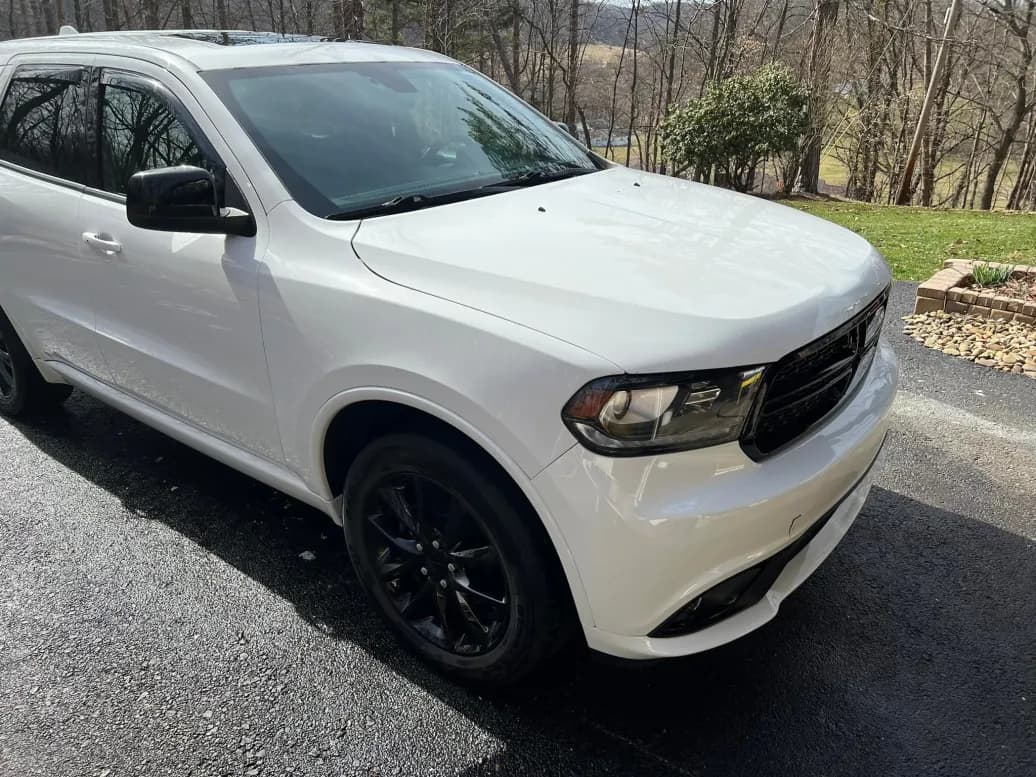
Most paint damage doesn't come from one dramatic moment, it comes from small, repeated mistakes made during routine care. A dull finish, faint swirl marks, a hazy clear coat, these usually trace back to habits that felt like good maintenance at the time. This guide covers the most common mistakes by category: hand washing, automatic car washes, and general technique, plus what to do instead of each one.
Hand Washing Mistakes
Washing your own car feels like the safest option, but done wrong it's one of the most common sources of swirl marks and fine scratches.
- Using dish soap. It's formulated to strip grease, which means it also strips wax, sealant, and protective coatings off your paint, leaving it exposed to UV and oxidation faster than it should be. A pH-balanced car wash soap runs about $10 to $20 and lasts months; it cleans without cutting the protection you already paid for.
- Single-bucket washing. Reusing the same dirty, gritty water for the whole car drags contamination back across panels you've already cleaned. The two-bucket method, one for soap, one for rinsing the mitt, prevents this. Add a grit guard in each bucket so dirt stays at the bottom instead of riding back onto the mitt.
- Washing in direct sun or on hot paint. Soap and water dry too fast on a hot surface, leaving streaks and water spots before you can rinse them off. Wash in shade or during cooler parts of the day, and keep panels cool to the touch.
- Skipping the pre-rinse. Going straight to a wash mitt on a dirty car grinds loose dirt into the paint like sandpaper. A foam pre-wash or hose rinse loosens debris first.
- Dirty or cheap towels, kitchen sponges, and mitts. A kitchen sponge traps grit on a flat face and drags it. Rough fibers do the same. Quality microfiber, kept clean between uses, glides instead of dragging. If a mitt hits the ground, set it aside and grab a fresh one; a quick rinse will not pull out embedded sand. Keep two or three mitts on hand.
- Circular scrubbing. Circles are how most people wash, and they are how swirl webs form under sunlight. Use straight, linear strokes, front to back or top to bottom. Straight-line marks are less obvious and easier to polish later if something does scratch.
Automatic Car Wash Damage
Automatic car washes trade paint safety for speed, and the type of wash matters a lot.
- Brush washes are the worst offender. The spinning brushes accumulate grit from every car that passes through, then drag that grit across your paint on your visit, creating fine scratches across the whole surface over repeated trips.
- Recycled water is not as clean as it looks. Many tunnels reclaim rinse water. Fine particles, oils, and leftover chemicals still make it through filtration and get blasted back onto your clear coat.
- Touchless washes are safer but not risk-free. No physical contact means no brush-induced scratching, but the chemicals used are often stronger to compensate, and can be harder on wax or sealant than a proper hand wash. They also struggle with caked-on grime, and the same soaps dry out rubber trim and plastic over time.
- Cloth dryers and attendant towels add a last round of scratches. Shared drying cloths touch every car in line. If you use a tunnel, skip the cloth finish and dry with your own clean microfiber.
- Frequency compounds the damage. A single automatic wash rarely causes visible harm. Weekly or biweekly automatic washes over months is where the swirl pattern becomes obvious under direct light.
If convenience matters more than paint condition, touchless is the safer of the two options, but neither replaces a proper hand wash for a car you actually care about keeping swirl-free. For the wash sequence itself, see how to wash a car without scratching paint.
Other Common Technique Mistakes
- Skipping clay bar treatment. Regular washing removes loose dirt but not bonded contaminants like tree sap, tar, and industrial fallout. Left in place, these particles cause a permanently rough feel and interfere with wax or sealant bonding. A clay bar two to four times a year, and always before a wax cycle, leaves the surface glass-smooth so protection lasts the full three to six months.
- Waxing dirty paint. Wax over dust and fallout seals that grime against the clear coat and the product will not bond correctly. Wash, dry, and clay first.
- Over-applying products. More wax, polish, or tire shine doesn't mean more protection, it usually just means more residue and streaking to clean up afterward. Follow the amount the product actually calls for.
- Using too much pressure. Letting the product and a light touch do the work prevents the fine scratching that comes from pressing hard during polishing or drying.
- Neglecting the drying step. Air-drying leaves mineral deposits that etch into paint over time unless you are using deionized water. A plush high-GSM microfiber drying towel ($15 to $30) or a blower removes water before it spots. Pat and glide; do not scrub with an old bath towel.
- Ignoring wheels. Brake dust is acidic. Left on alloy, it pits. Clean wheels first, with a dedicated wheel cleaner, so you are not flicking dust onto panels you just washed.
How to Actually Prevent This
The fix for nearly every mistake above is the same: use products made for automotive paint, not household cleaners, work gently rather than aggressively, and give the process the time it actually needs rather than rushing it. None of this requires professional equipment, just a clearer sense of how paint actually responds to what you're doing to it.
If your interior needs the same kind of mistake-avoidance rundown, see our guide on interior cleaning mistakes. If you'd rather skip the risk entirely, professional detailing uses trained technique and the right products from the start, including a proper pre-rinse, two-bucket wash, correct drying, and decontamination.
Frequently Asked Questions
Is an automatic car wash ever safe for my paint?
Touchless automatic washes are safer than brush washes, since there's no physical contact dragging accumulated grit across your paint. They're not risk-free: the chemicals can still be harder on wax than a gentle hand wash, recycled water can reintroduce contaminants, and shared cloth dryers can scratch at the last step. Touchless is the better choice of the two if you're relying on automatic washes regularly.
What's the single biggest mistake people make washing their own car?
Using dish soap is one of the most common and most damaging, since it strips protective wax and sealant along with the dirt. A pH-neutral car wash soap cleans without removing the protection you've already applied.
Can these mistakes be undone once they've happened?
Light swirl marks and fine scratches from washing mistakes can typically be corrected with polishing or a cut and buff. Deeper clear-coat wear may need paint correction. The better move is preventing them going forward; correction costs money and time that proper washing technique avoids entirely.
Does washing my car too often cause damage?
Not the washing itself, but repeated exposure to the wrong method (brush automatic washes, dish soap, dirty towels) compounds over time. A well-washed car can be cleaned often without harm; a poorly-washed car accumulates damage with every pass.
How do I know if my paint already has swirl marks from past mistakes?
Check the paint under direct sunlight or a flashlight at an angle. Swirl marks show up as a spiderweb pattern of fine scratches, most visible on dark colors. If you see this, the mistakes above are worth fixing going forward even if the existing marks need a separate correction step.
Can dirty microfiber still scratch paint?
Yes. Grit trapped in the fibers turns a "safe" towel into sandpaper. Wash microfiber before use, keep it off the ground, and replace towels that feel rough or look worn.
Ready for Detailing That Won't Damage Your Paint?
Our mobile team uses proper technique and products built for automotive paint, not the shortcuts that cause the damage above. Browse detailing packages or get a quote.
Learn more at Mobile Detailing Expert.
Related Resources
- car detailing
- exterior detailing
- how to wash a car without scratching paint
- ceramic coating mistakes
- interior cleaning mistakes
- get a quote
Car Detailing Near You
AtlantaBaltimoreBirminghamColumbusDallasDenverHuntsvilleIndianapolisJacksonvilleLos AngelesMemphisMinneapolisNew YorkNorfolkOrlandoSan AntonioSan JoseSavannahSeattleTampaTulsaWilmington