
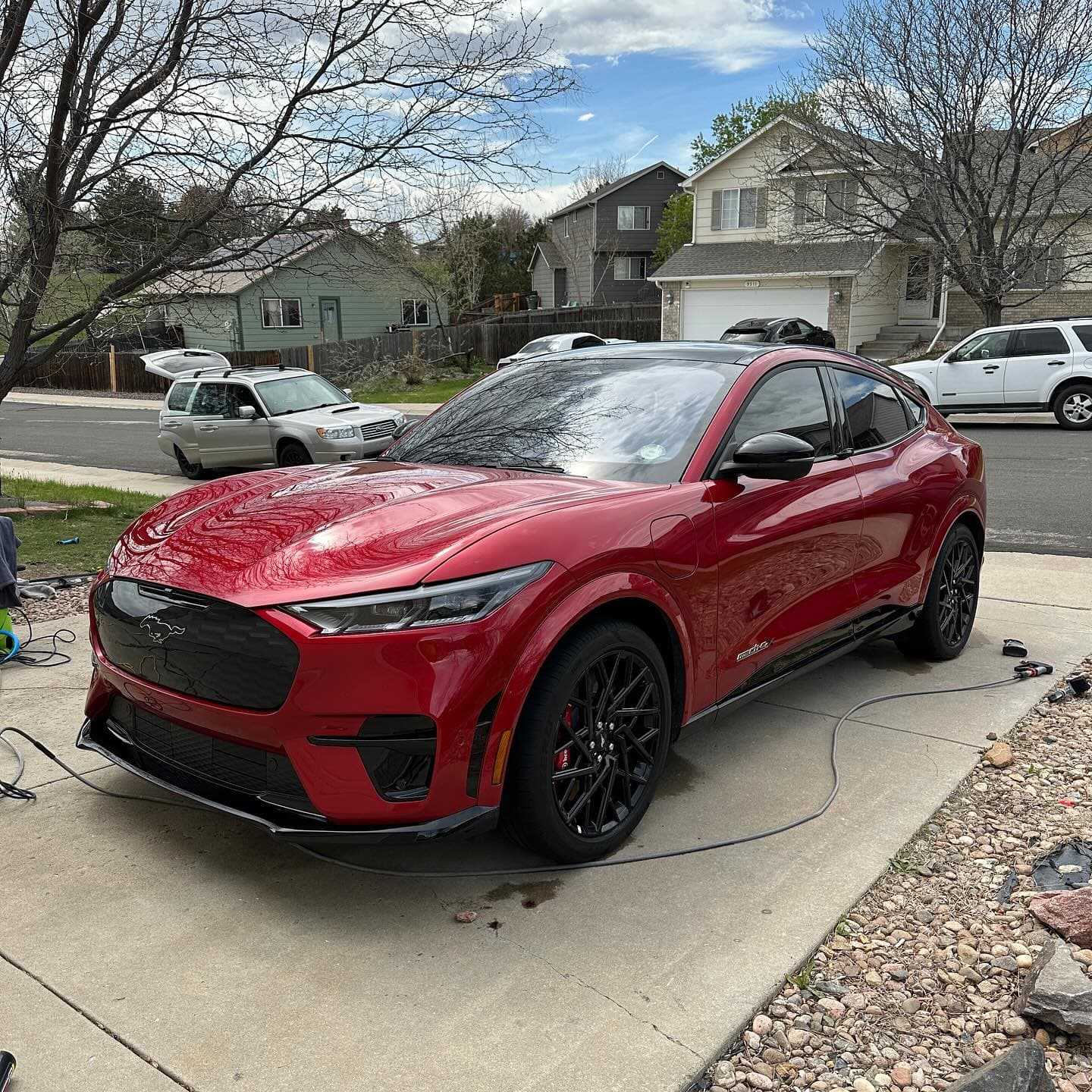
For daily drivers, paint protection isn't about chasing perfection — it's about choosing a product that protects the paint, looks good, and survives the realistic care a working car gets. Wax and sealant are the two practical options. Here's how to choose. Carnauba wax: what it does for a daily driver Carnauba is a natural plant wax mixed with oils, solvents, and sometimes synthetic carriers. On a daily driver, it offers:
Warm, deep gloss — particularly visible on darker colors (black, navy, dark red, dark green) Easy application — pastes and liquids work with foam applicators, no machine needed Forgiving technique — even imperfect application looks decent Affordable per application — $25–60 per bottle, multiple uses per bottle
The trade-off is durability. On a daily driver, carnauba realistically lasts 4–8 weeks before the protection meaningfully degrades. Hot soap car washes can cut that to 2–3 weeks. UV exposure, heat, and rain accelerate breakdown. For an owner willing to wax every 4–6 weeks, this is a reasonable cycle. For an owner who would prefer to wax twice a year, it's not. Synthetic sealant: what it does for a daily driver Synthetic sealants are polymer-based products engineered for longer life and stronger bonding to clear coat. On a daily driver:
Durable protection — 4–6 months per application is the realistic average Clean, crisp finish — slightly cooler in tone than carnauba but very glossy Better chemical resistance — survives detergent washes, rain, and UV better than wax Easier large-vehicle application — practical for trucks and SUVs Hydrophobic behavior — water beads tightly and rolls off cleanly
The trade-off is appearance preference. Sealants don't match carnauba's warm depth on dark paint — they produce a glassy, mirror-like finish that some owners love and others find sterile. On lighter colors (white, silver, gray, blue), most owners can't tell the difference between sealant and wax visually.
The cost-per-year math
For a typical daily driver in a moderate climate:
- Carnauba scenario (every 6 weeks = 8.5 applications per year):
DIY: 8.5 × $5 product cost = $42 in product, plus 8.5 × 2 hours of labor = 17 hours of weekend time Professional: 8.5 × $150 service = $1,275 per year
Sealant scenario (every 4 months = 3 applications per year):
DIY: 3 × $15 product cost = $45 in product, plus 3 × 3 hours of labor = 9 hours Professional: 3 × $200 service = $600 per year
For most owners, sealant wins on cost-per-year and time investment. Carnauba wins for enthusiasts who enjoy applying wax frequently as part of car care routine.
How daily driving affects the choice
Specific daily-driver scenarios change the calculation:
Frequent automatic car wash use → sealant wins decisively. Hot soap and tunnel brushes strip wax in 1–2 cycles. Sealant survives 8–10 cycles before showing real degradation. Hand-wash-only with pH-neutral soap → either works. Wax preservation routine maintains carnauba near its full lifespan; sealant pushes toward the upper end of its range. Outdoor parking 24/7 → sealant wins. UV degrades wax faster than sealant. Garage parking at night, outdoor day → either works. Cycling between conditions doesn't favor one strongly. Highway commuter (60+ miles daily) → sealant wins. Sustained airflow with airborne particulate erodes wax faster than sealant. City driver with frequent stops → either works. Lower-speed driving with less airflow extends both products' lives. Coastal or coastal-adjacent → sealant wins. Salt air corrodes both, but sealant has better chemical resistance. Cold-climate winter driver → sealant wins for winter, then either for summer. Road salt strips wax quickly; sealant lasts through the season.
How application method affects durability
Both products perform better when:
The paint is properly decontaminated first
- Application is done in shade at moderate temperature
- A thin, even layer is applied rather than thick
- Curing time is respected before buffing
The product is matched to the paint condition
Sealant in particular benefits from machine application using a dual-action polisher and a finishing pad. Hand application works but produces a less uniform layer. Wax application is more forgiving — hand application with a foam applicator works almost as well as machine application for most carnauba products. Hybrid products: the middle ground The market has filled with hybrid products: synthetic carnauba blends, ceramic-infused waxes, silica-enhanced sealants. These genuinely offer middle-ground performance — carnauba's warmth with sealant's durability, in varying ratios. For daily drivers, ceramic-infused sealant products (sometimes called "ceramic spray sealants" or "Si-doped synthetic sealants") often hit the best balance: 3–4 months of durability, easy spray-on-wipe-off application during a wash, and decent gloss. They cost slightly more than basic sealant but eliminate the multi-step application of paste products.
The honest recommendation for daily drivers
If you wash your own car every 2 weeks and you enjoy the process: use carnauba. Apply every 6–8 weeks. The frequent contact with your paint and the warm gloss reward the time investment. If you wash less often, use automatic car washes, or want minimum upkeep: use synthetic sealant. Apply every 4–5 months. Maintain with a spray ceramic detailer between applications. For most owners with regular jobs, families, and limited weekend hours, synthetic sealant is the practical answer. It just lasts long enough that you can forget about it, and looks good enough that most owners can't tell the difference from wax anyway. See detailing packages for pricing and options.
Compare exterior detailing packages or waxing & sealants for dedicated protection.
Learn more at Mobile Detailing Expert.
Waxing & Sealants Near You
AtlantaBaltimoreBirminghamColumbusDallasDenverHuntsvilleIndianapolisJacksonvilleLos AngelesMemphisMinneapolisNew YorkNorfolkOrlandoSan AntonioSan JoseSavannahSeattleTampaTulsaWilmington