
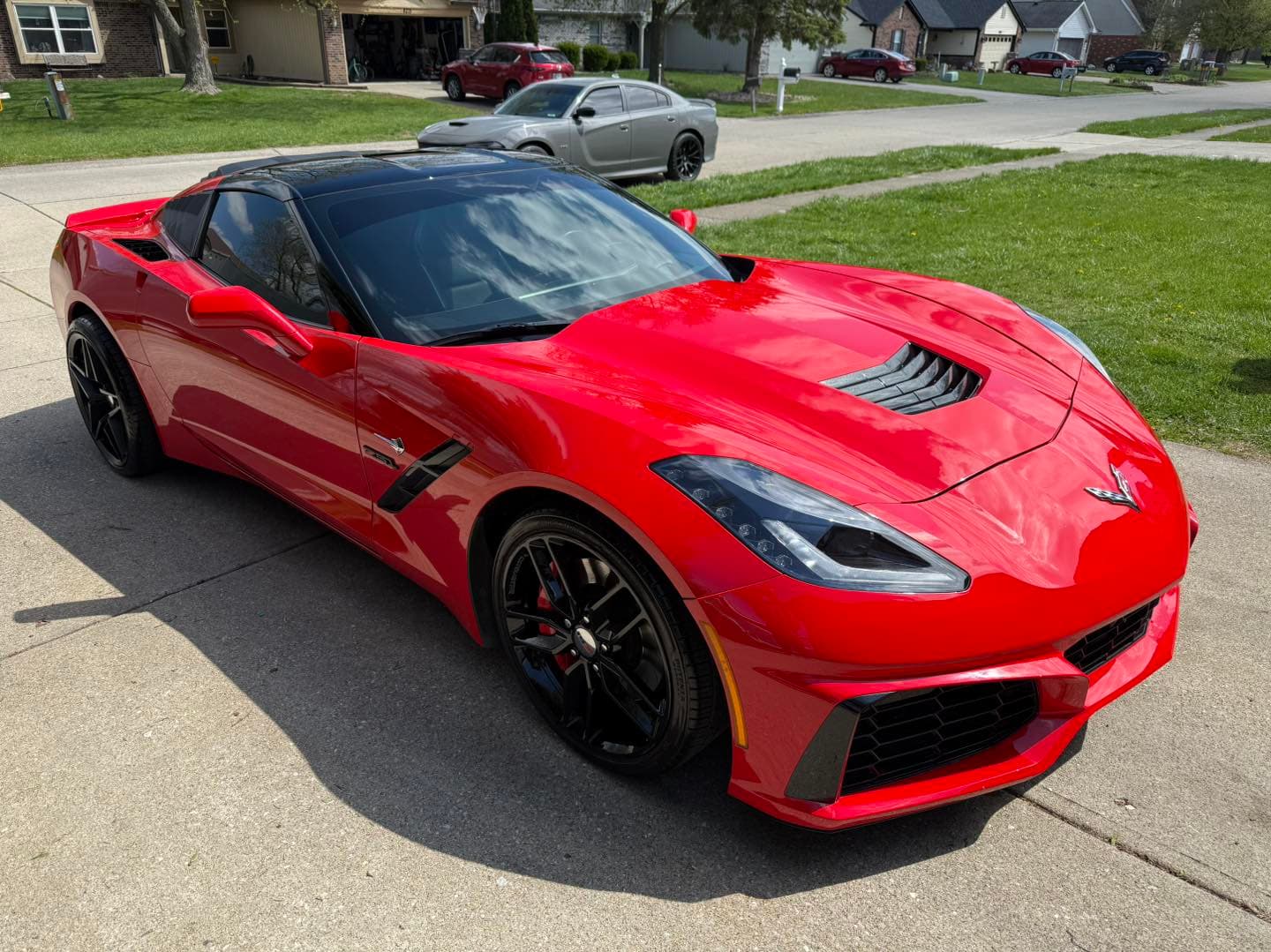
Quick answer: For most drivers, the best ceramic coating is an easy spray like Turtle Wax Hybrid Solutions Ceramic Spray Coating (about $15) if you want protection in 30 minutes, or CarPro CQuartz UK 3.0 (about $60) if you are ready to wash, clay and polish first for 18–24 months of protection. If you want the longest life and a flawless finish with no prep work on your end, a professional coating installed over paint correction is the better buy: expect $500–$2,000, and $2,000–$3,500 for premium multi-year packages.
Below we compare seven widely sold consumer coatings by type, claimed durability, price and how hard they are to apply, then explain when DIY makes sense and when it doesn't.
Quick Picks
- Best budget spray: Turtle Wax Hybrid Solutions Ceramic Spray Coating
- Easiest application: Meguiar's Hybrid Ceramic Wax
- Best graphene spray: Turtle Wax Hybrid Solutions Pro Graphene Flex Wax
- Best first "real" coating: CarPro CQuartz UK 3.0
- Best spray-on topper: Gtechniq EXOv5
- Best graphene coating kit: Adam's Graphene Ceramic Coating Advanced
- Best for experienced DIYers: Gtechniq Crystal Serum Light
Comparison Table
| Product | Type | Claimed durability* | Price (US) | Difficulty | Best for |
|---|---|---|---|---|---|
| Turtle Wax Hybrid Solutions Ceramic Spray Coating16 oz | SiO2 spray sealant | "Minimum of 6 months" (retail label) | ~$15–$16 | Easy | Budget, first-timers |
| Meguiar's Hybrid Ceramic Wax26 oz | Spray-on/rinse-off ceramic wax | Not stated as a number ("beyond conventional wax") | ~$18–$23 | Very easy | Busy owners, upkeep between washes |
| Turtle Wax Hybrid Solutions Pro Graphene Flex Wax23 oz | Graphene spray wax | Varies | ~$24–$25 | Easy | Extra slickness on a budget |
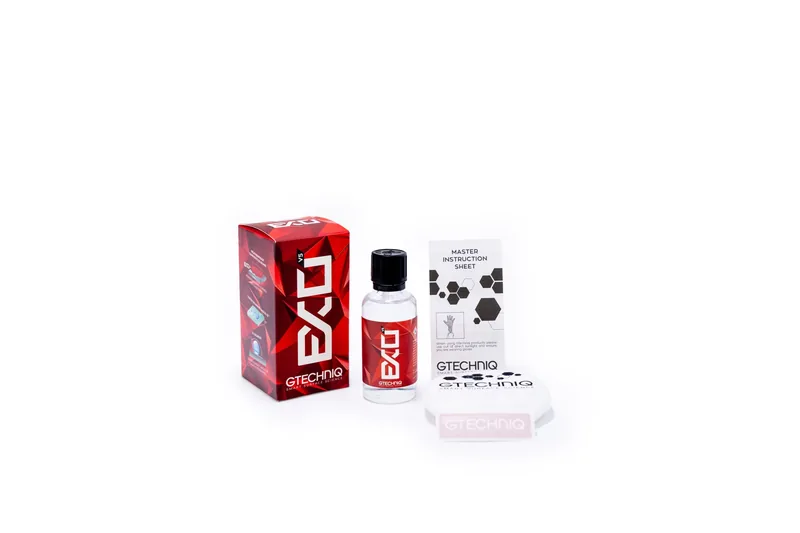
| Gtechniq EXOv530/50 ml | Hydrophobic coating / topper | 18–24 months | from ~$70 | Easy–moderate | Topping a coating, easy semi-permanent layer |
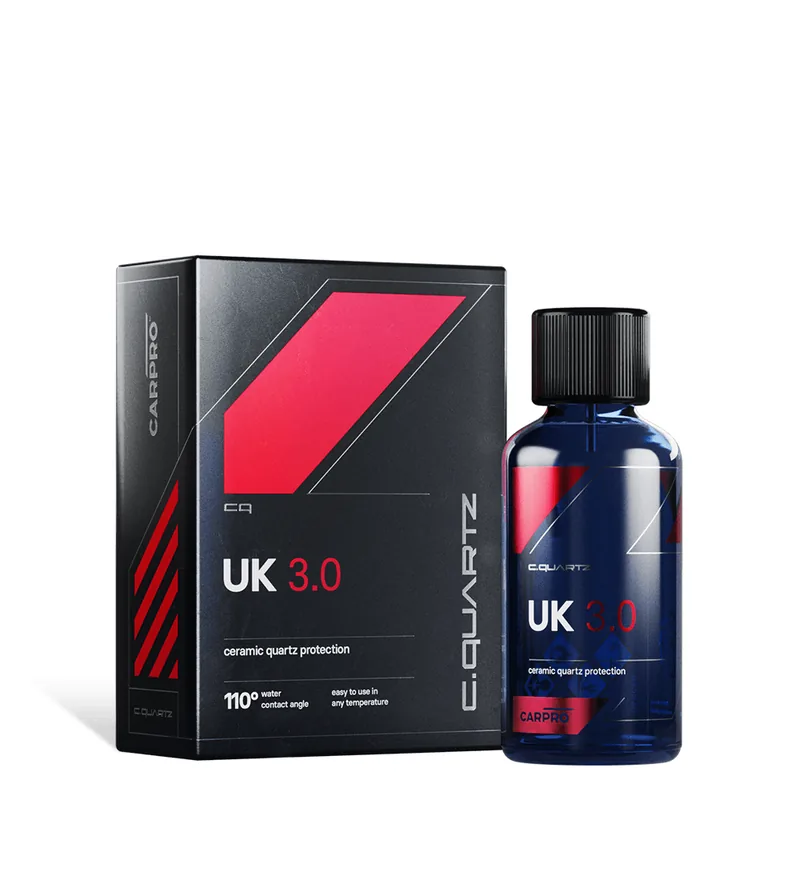
| CarPro CQuartz UK 3.030 ml kit | DIY liquid ceramic coating (70% SiO2) | 18–24 months (CarPro "real-world") | ~$60 | Moderate | First true coating |
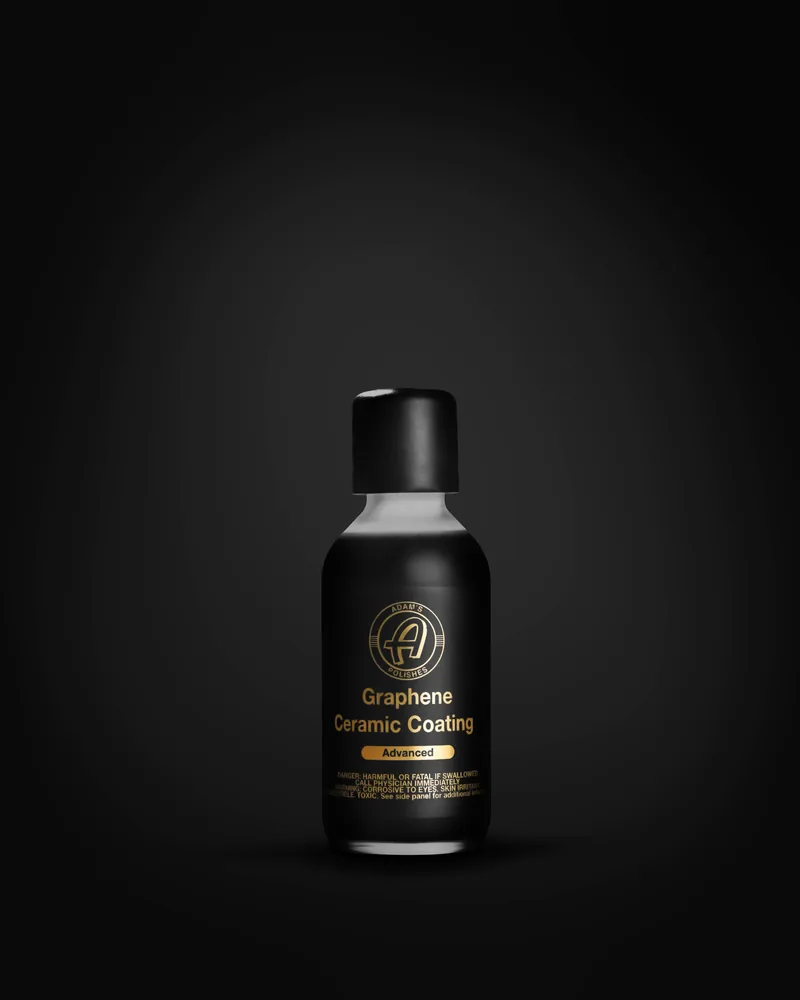
| Adam's Graphene Ceramic Coating Advanced60 ml kit | DIY graphene-ceramic coating | 9+ years (manufacturer) | ~$125–$145 | Moderate | All-in-one kit, paint + glass + wheels |
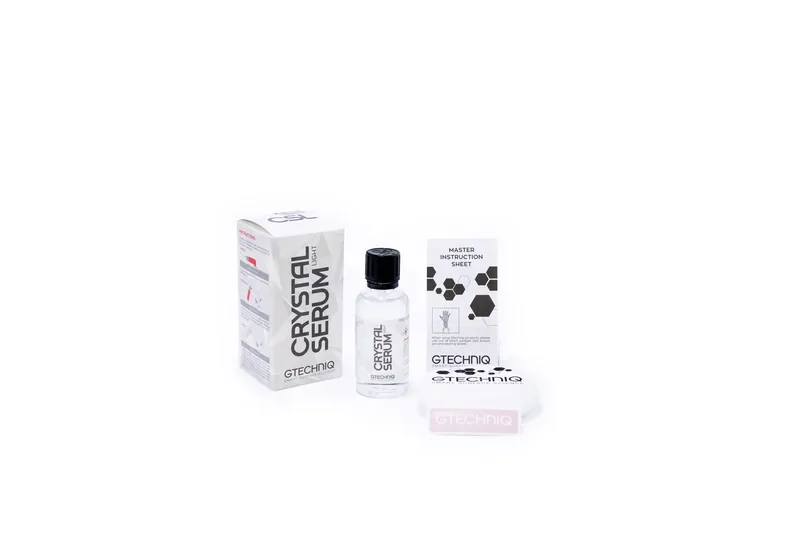
| Gtechniq Crystal Serum Light30 ml | DIY "prosumer" ceramic coating | Up to 5 years | from ~$76 | Advanced | Experienced DIYers |
*Durability figures are the manufacturer's or label's claims. Real life is usually shorter and depends on prep, climate, parking, and how you wash. Prices are typical US list/retail prices checked October 2026 and change often.
How We Compared
We did not run a lab test. We compared these products on what matters when our detailers decide what to use or recommend:
- Claimed durability and chemistry: what the maker actually promises, and whether it is a sealant-style spray or a true curing coating.
- Ease of application: how forgiving the product is with high spots, temperature and cure time.
- Prep required: sprays tolerate a basic wash; real coatings need a wash, decontamination and polish or they lock in swirls.
- Cost per year of protection: a $15 spray reapplied three or four times a year can cost more in time than a $60 coating that lasts two years.
Product Reviews
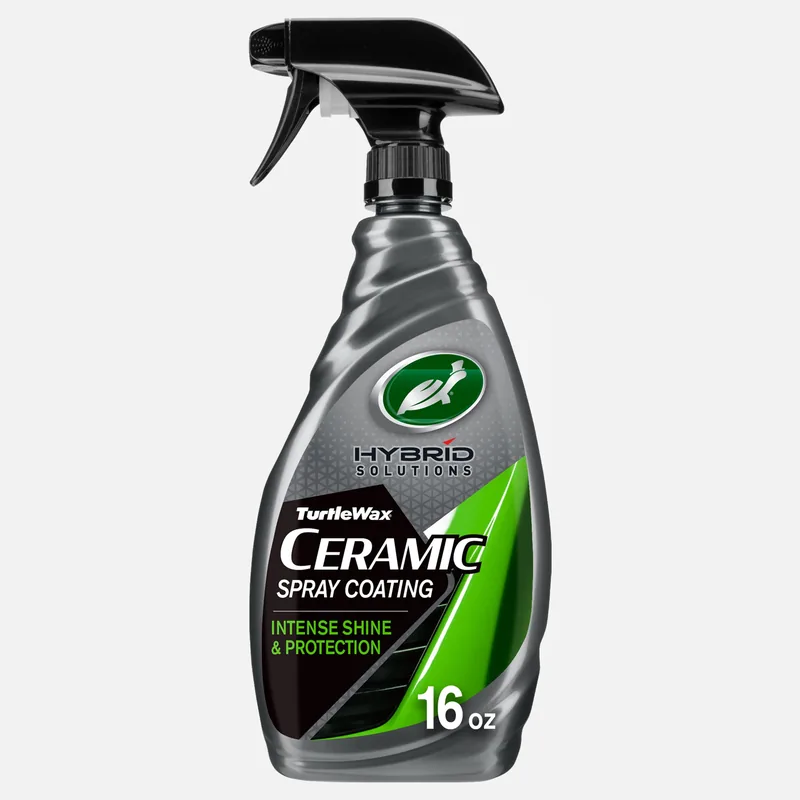
1. Turtle Wax Hybrid Solutions Ceramic Spray Coating: Best Budget Spray
A spray-on, wipe-off SiO2 and polymer sealant that is sold almost everywhere for around $15. Spray two mists per 2 ft × 2 ft panel, spread, then buff. Turtle Wax suggests a second coat after 24 hours for more protection.
- Pros: cheap, very forgiving, strong water beading, no special prep needed.
- Cons: real-world life is shorter than the label for cars that live outside; can leave white residue on black trim.
- Who it's for: anyone trying ceramic protection for the first time, or topping up a coated car.
2. Meguiar's Hybrid Ceramic Wax: Easiest Application
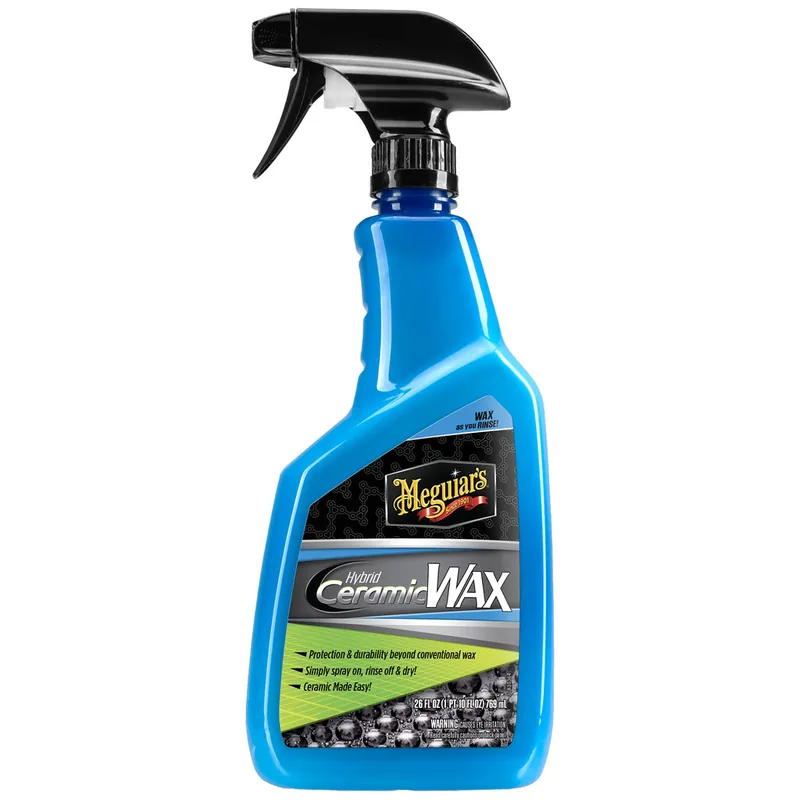
You spray it on a wet car after washing, rinse with a strong stream, and dry. There is no rubbing, buffing or curing time.
- Pros: the fastest option here; easy to keep up every wash or two.
- Cons: Meguiar's doesn't publish a durability figure; it is a ceramic wax, not a coating.
- Who it's for: owners who want easier washing and beading with almost no effort.
3. Turtle Wax Hybrid Solutions Pro Graphene Flex Wax: Best Graphene Spray
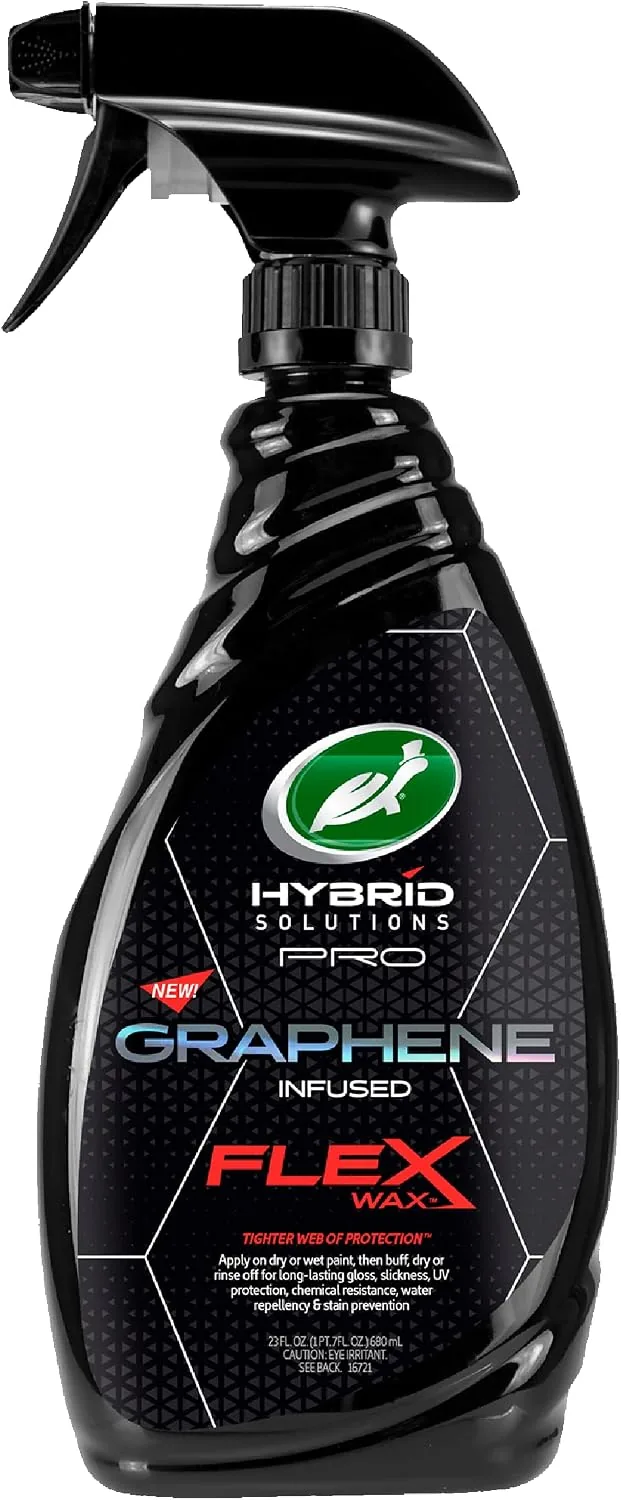
A graphene-infused spray wax for wet or dry use. Turtle Wax recommends a clean, prepped surface and a 24-hour cure for best results. Durability varies with prep and conditions.
- Pros: slick feel and gloss, multi-surface, still cheap.
- Cons: best results need proper prep and cure time; slightly more work to wipe off than basic sprays.
- Who it's for: spray users who want a step up without buying a coating kit.
4. Gtechniq EXOv5: Best Spray-On Topper
A single-layer hydrophobic coating Gtechniq rates for 18–24 months (up to two years) with proper care. It can be used on its own or layered over Crystal Serum Light. Gtechniq says to keep it dry for 12 hours and not to wash the car for a week after application.
- Pros: long life for an easy-to-apply product, very hydrophobic, extends a base coating.
- Cons: pricier than sprays; still needs a clean, decontaminated surface.
- Who it's for: people who want more than a spray without the full coating commitment, or who want to top a coating.
5. CarPro CQuartz UK 3.0: Best First "Real" Coating
A 70% SiO2 consumer coating. CarPro gives a conservative "real-world" durability of 18–24 months and says it can be applied from about 3 to 40 °C, with a wipe-on/wipe-off method that buffs off cleanly. The 30 ml kit includes applicator and suede cloths.
- Pros: forgiving for a true coating, honest durability claim, good value.
- Cons: needs full prep (wash, clay, polish, panel wipe); mistakes can mean polishing high spots off.
- Who it's for: first-time coating users who have a free weekend and some patience.
6. Adam's Graphene Ceramic Coating Advanced: Best All-in-One Kit
View on the Adam's Polishes site
A 60 ml graphene-ceramic coating sold as a complete kit with surface prep, a booster, applicators, towels and gloves. A UV tracer shows where you have applied it under Adam's UV flashlight. Adam's claims 9+ years and says it works on paint, glass, trim, wheels and more.
- Pros: everything in one box, UV tracer helps avoid missed spots, multi-surface.
- Cons: the most expensive DIY option here; treat the 9+ year claim as a best-case lab figure, not a real-world promise.
- Who it's for: careful DIYers who want one product for the whole car.
7. Gtechniq Crystal Serum Light: Best for Experienced DIYers
The "prosumer" version of Gtechniq's pro-only Crystal Serum Ultra, with up to five years of claimed durability. Gtechniq itself warns it is not for people completely new to detailing, and mistakes may need machine polishing to fix.
- Pros: hard, glossy, chemical-resistant layer; long claimed life; pairs with EXOv5.
- Cons: least forgiving product here; needs perfect prep and controlled conditions.
- Who it's for: experienced enthusiasts with a polisher and a garage.
How to Choose the Right Ceramic Coating
- How long do you want it to last? Months: a spray. One to two years: CQuartz UK 3.0 or EXOv5. Several years: a DIY kit like Adam's or CSL, or a professional install.
- How good is your paint right now? A coating locks in whatever is under it. If you see swirls, scratches or dull spots, the paint needs correction first. See why paint correction is required before ceramic coating.
- Where will you apply it? True coatings want shade, mild temperatures and no rain for the cure period. Driveway in summer sun? Stick with sprays or book a pro.
- How much time do you have? A spray takes 30–60 minutes. A proper DIY coating usually takes a full day once you include washing, decontamination and polishing.
- Spray or real coating? If you're unsure, read ceramic spray vs ceramic coating.
DIY vs Professional Ceramic Coating
DIY products have improved a lot, but the coating is only half the job. The other half is the prep: decontamination and machine polishing, which takes most of the time and skill.
DIY makes sense if your car is newer with clean paint, you own (or are willing to learn) a dual-action polisher, and you have a shaded spot for a day plus cure time.
A professional coating makes sense if your paint has swirls or water spots, you want multi-year protection and a warranty, or you simply don't want to spend a weekend on it. Pro installs typically include:
- a full wash and chemical/clay decontamination
- one- or multi-stage paint correction
- a professional-grade coating, often in layers, with controlled curing
Mobile Detailing Expert installs professional coatings at your home or office. Professional ceramic coating usually runs $500 to $2,000, and premium multi-year, multi-layer packages run $2,000 to $3,500, depending on vehicle size, paint condition and coating tier. Get a ceramic coating quote.
How Much Does Ceramic Coating Cost?
In short:
- DIY sprays: roughly $15–$30 a bottle
- DIY coating kits: roughly $60–$150, plus prep supplies and your time
- Professional installation: $500–$2,000
- Premium multi-year packages: $2,000–$3,500
Most of a professional quote is paint-correction labor, not the coating itself. See how much paint correction costs.
Coatings for Interior, Glass and Wheels
Paint isn't the only surface you can coat:
- Glass: a dedicated glass coating sheds rain at speed and makes bug and ice removal easier. Some kits, like Adam's Advanced, are rated for glass too.
- Wheels and calipers: wheels need a coating that can handle heat and brake dust. A coated wheel rinses clean with far less scrubbing.
- Interior: fabric and leather coatings help repel spills and stains, and are useful for kids, pets and rideshare cars. Use only products made for interior surfaces.
Coating the car, RV or bike? See is RV ceramic coating worth it and is motorcycle ceramic coating worth it.
Ceramic Coating vs Wax vs PPF
| Wax | Ceramic coating | PPF (paint protection film) | |
|---|---|---|---|
| What it is | Natural or synthetic layer on top of paint | Liquid that bonds to clear coat and cures hard | Thick clear urethane film |
| Typical life | Weeks to a few months | Months (sprays) to years (coatings) | Many years |
| Protects against | Light UV, water | UV, oxidation, chemicals, water spots, light wash marring | Rock chips, scratches, plus the above |
| Doesn't stop | Most contamination | Rock chips, dings, deep scratches | Nothing major (it's the most protective) |
More detail: ceramic coating vs wax.
Frequently Asked Questions
What is the best ceramic coating for cars?
For most drivers who want a quick, cheap result, a spray like Turtle Wax Hybrid Solutions Ceramic Spray Coating is the best place to start. For a true DIY coating, CarPro CQuartz UK 3.0 is a forgiving first choice with an 18–24 month real-world claim. For the longest life and the best finish, a professional coating over paint correction is the best option.
Can I apply ceramic coating myself?
Yes. Sprays are easy for anyone. True coatings need a wash, clay, polish and panel wipe first, plus shade, mild temperatures and time to cure. If you have swirls or have never used a polisher, a professional install avoids locking in defects.
How long does ceramic coating last?
Ceramic sprays usually last a few months in real life. DIY coatings are rated from about 18 months to several years, depending on the product. Professional coatings typically last multiple years with proper maintenance. Washing method, climate and outdoor parking all affect how long a coating lasts.
Is PPF plus ceramic coating worth it?
For new or high-value cars, often yes. PPF stops rock chips on high-impact areas like the hood and bumper, and a ceramic coating on top makes the film and the rest of the paint easier to clean and more resistant to stains. If budget is tight, coat the whole car and add PPF only to the front end.
How much does ceramic coating cost?
DIY kits run about $60–$150 and sprays about $15–$30. Professional ceramic coating typically costs $500–$2,000, with premium multi-year packages at $2,000–$3,500.
Do I need paint correction before ceramic coating?
In most cases, yes. A coating seals in whatever is underneath, including swirls and scratches. Even new cars often have light defects from the dealer wash.
Is a ceramic spray the same as a ceramic coating?
No. Sprays are sealants with some SiO2 and last months. True coatings cure into a harder layer and last much longer, but they need careful prep and application.
Bottom Line
If you want quick, cheap protection, start with a ceramic spray. If you want a real coating and you're willing to prep the paint, CarPro CQuartz UK 3.0 is a forgiving first coating, and Adam's Advanced or Gtechniq Crystal Serum Light suit more experienced DIYers. If your paint needs correction or you want years of protection without the work, a professional install is worth it.
Ready for a flawless, long-lasting finish? Mobile Detailing Expert comes to you in 22 US cities. See our car ceramic coating service or get a ceramic coating quote.
Ceramic Coating Near You
AtlantaBaltimoreBirminghamColumbusDallasDenverHuntsvilleIndianapolisJacksonvilleLos AngelesMemphisMinneapolisNew YorkNorfolkOrlandoSan AntonioSan JoseSavannahSeattleTampaTulsaWilmington