
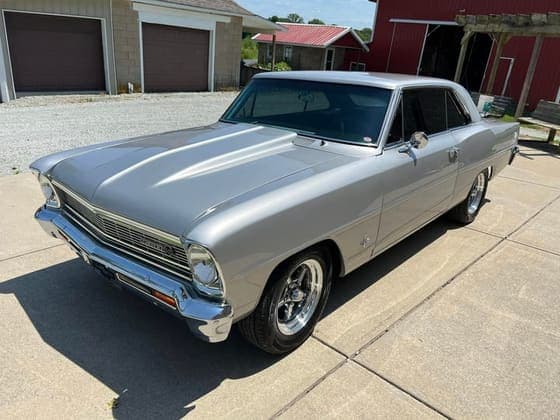
How you prepare a car for storage depends heavily on how long it's sitting and where. A car parked for 3 months needs far less prep than one sitting for 2 years, and outdoor storage adds steps that a garage doesn't require. This guide breaks down prep by storage duration and by location, so you're not over- or under-preparing.
Prep That Applies to Any Storage Length
A few steps matter regardless of how long the car will sit:
- Wash and dry the car fully. Dirt and residue left on paint for months can etch or stain the finish.
- Change the oil. Old oil contains contaminants that sit against engine components longer than they should.
- Fill the fuel tank and add a stabilizer. A full tank reduces condensation buildup; stabilizer keeps fuel from breaking down.
- Inflate tires to the recommended pressure, or slightly above for storage, to reduce flat-spotting risk.
- Disconnect the battery or use a battery tender. A battery left connected with no charging source will drain and can be damaged.
Short-Term Storage: Under 3 Months
For a few weeks to a few months, the basics above are usually enough. Additional considerations:
- Crack a window slightly if stored in a garage, to reduce interior humidity buildup, unless security or weather makes that impractical.
- Move the car or roll it forward and back periodically if possible, to avoid tire flat-spotting from sitting in one position.
Medium-Term Storage: 3 to 12 Months
At this length, a few extra steps protect against issues that don't show up in short-term storage:
- Use a battery tender, not just a disconnect, since a battery can lose enough charge over months to need replacing otherwise.
- Check tire pressure monthly if you're able to access the car, since tires slowly lose pressure over time even when parked.
- Consider a car cover if stored outdoors, to protect against UV, sap, and bird droppings accumulating over months.
Long-Term Storage: 1 to 5+ Years
Extended storage needs the most preparation, since more time means more opportunity for small issues to become real damage.
- Wax, seal, or ceramic coat the paint before storage, especially outdoors, since months to years of UV exposure without protection will dull and oxidize paint.
- Use fuel stabilizer rated for extended storage, and consider draining the tank entirely for multi-year storage rather than relying on stabilizer alone.
- Maintain the battery on a tender continuously, not just periodically, since a battery left even mostly idle for years will degrade.
- Consider jacking the car up or using tire cradles for storage beyond a year, to eliminate flat-spotting entirely rather than just reducing it.
- Pest-proof the vehicle, especially outdoors or in a barn or rural garage: steel wool in exhaust and intake openings, mothballs or rodent deterrent inside, since rodents nesting in a car sitting for years is a common and expensive problem.
Outdoor vs. Garage Storage
Where the car sits changes what matters most.
Garage or covered storage is lower-risk: no direct UV, no rain or debris, more stable temperature. Focus mainly on the battery, tires, and fuel.
Outdoor storage adds real risk from UV fading, tree sap, bird droppings, and temperature swings. A quality car cover, and paint protection like wax or ceramic coating before storage, matter far more here than they do for a garage-kept car. If the car will sit outdoors for a year or more, ceramic coating specifically is worth considering, since it holds up through the storage period better than wax will.
Frequently Asked Questions
Does storage prep really change based on how long the car sits?
Yes, meaningfully. A car stored for a few weeks mainly needs the basics: fuel, tires, and a wash. A car stored for years needs continuous battery maintenance, real flat-spot prevention, pest-proofing, and paint protection that a shorter stay doesn't require.
What's different about preparing a car for outdoor long-term storage versus a garage?
Outdoor storage adds UV exposure, weather, and contaminants like sap and bird droppings that a garage eliminates. A cover and paint protection (wax, sealant, or ceramic coating) matter far more for outdoor storage, since a garage-kept car is largely protected from those risks already.
Do I need a battery tender for short-term storage, or is disconnecting enough?
For a few weeks to a couple months, disconnecting the battery is usually enough. Past that, a tender is worth the cost, since a fully disconnected battery still slowly self-discharges and can be damaged if left too long without any maintenance charge.
How often should I check on a car in long-term storage?
Monthly is a reasonable baseline if you have access, checking tire pressure, battery tender function, and looking for any signs of pests or fluid leaks. Less frequent access makes the upfront prep (stabilizer, tender, pest-proofing) even more important.
Should I wax or ceramic coat my car before storing it?
For anything beyond a few months outdoors, yes. Unprotected paint exposed to sun and weather for an extended period will oxidize and dull. Ceramic coating holds up longer than wax through an extended storage period without reapplication.
Getting Your Car Ready for Storage?
We can detail and protect your car before it goes into storage, so it comes back out looking the way it went in.
Car Detailing Near You
AtlantaBaltimoreBirminghamColumbusDallasDenverHuntsvilleIndianapolisJacksonvilleLos AngelesMemphisMinneapolisNew YorkNorfolkOrlandoSan AntonioSan JoseSavannahSeattleTampaTulsaWilmington